Sleep Regression 10 Months
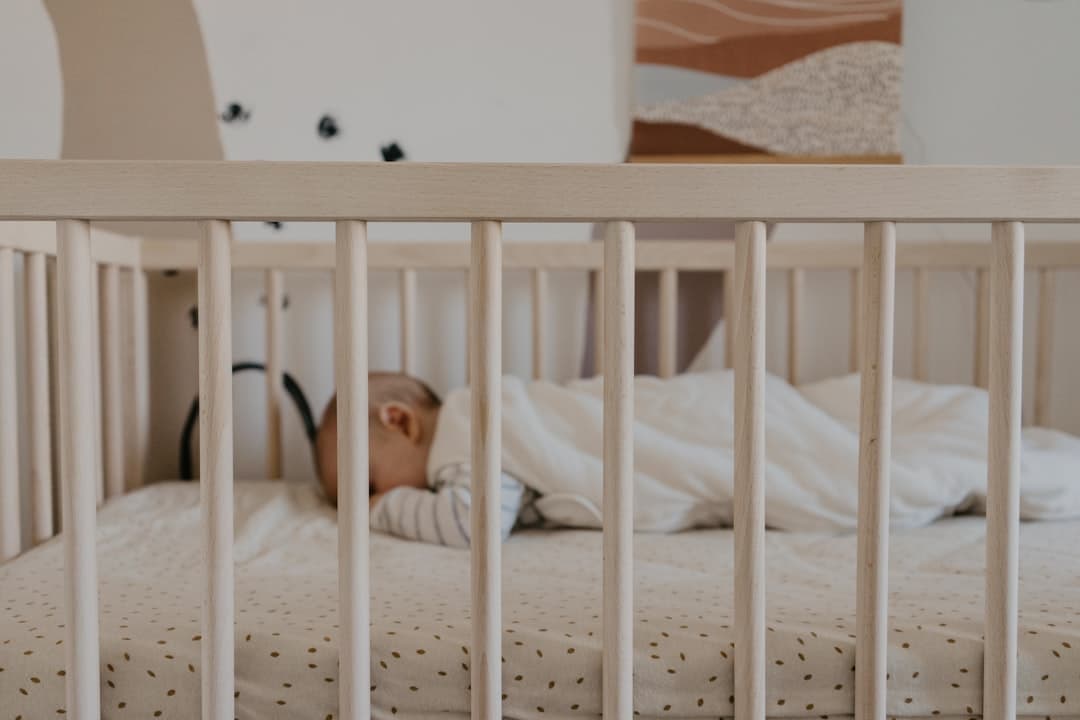
Photo by Toa Heftiba on Unsplash
It's 2 AM and you're staring at your 10-month-old who used to sleep beautifully but now treats bedtime like an enemy. They're pulling themselves up in the crib, babbling excitedly, or crying inconsolably when you try to put them down. If you're wondering whether this is the dreaded 10 month sleep regression, take a deep breath — you're not imagining it, and you're definitely not alone.
The 10 month sleep regression is one of those curveballs that catches many parents completely off guard. Just when you thought you'd figured out this whole sleep thing, your baby's developmental explosion turns peaceful nights into a distant memory. But here's what I want you to know: this regression is actually a beautiful sign that your baby's brain is developing exactly as it should.
In this guide, we'll explore why the 10 month sleep regression happens, how long you can expect it to last, and most importantly, gentle strategies to help your family navigate this phase with less exhaustion and more confidence.
In This Guide:
- Understanding the 10 Month Sleep Regression
- What Triggers the Sleep Regression at 10 Months
- Signs Your Baby Is Experiencing the 10 Month Sleep Regression
- How Long Does the 10 Month Sleep Regression Last?
- Gentle Solutions for the 10 Month Sleep Regression
- Schedule Adjustments for 10-Month-Olds
- Managing Separation Anxiety at Bedtime
- When to Seek Additional Support
Understanding the 10 Month Sleep Regression
The 10 month sleep regression typically occurs between 8-12 months, with many babies experiencing the most dramatic changes right around their 10-month mark. Unlike earlier regressions that are primarily driven by growth spurts or circadian rhythm development, this one is all about major developmental milestones colliding at once.
At 10 months old, your baby's world has exploded with possibility. They're likely crawling confidently, pulling to stand, maybe even cruising along furniture. Their cognitive development is equally impressive — they understand object permanence (hello, separation anxiety), they're developing language skills, and their social awareness is rapidly expanding.
Why This Regression Feels Different
Parents often tell me the 10 month regression feels more intense than previous ones, and there's a good reason for that. Your baby now has the physical capability to fight sleep in ways they never could before. They can pull themselves up in the crib and get stuck there. They can sit up from lying down. They have opinions about everything — including bedtime.
This regression often manifests as sudden bedtime battles, frequent night wakings, early morning wake-ups, or nap resistance. Some babies who were sleeping through the night start waking every 2-3 hours again, leaving parents feeling like they're back in the newborn days.
Try This Tonight
If your baby keeps pulling to stand in their crib and getting stuck, practice this skill during awake time. The more confident they become with getting back down during the day, the less likely they are to get stuck and cry at night.
What Triggers the Sleep Regression at 10 Months
The 10 month sleep regression isn't random — it's driven by specific developmental changes happening in your baby's brain and body. Understanding these triggers can help you respond more effectively and with greater patience.
Motor Development Explosion
Around 10 months, babies are typically mastering several gross motor skills simultaneously. Crawling becomes efficient and purposeful. Pulling to stand becomes irresistible. Some babies are even beginning to cruise or take their first steps. This motor development creates what sleep researchers call 'practice effect' — your baby's brain is so excited about these new skills that it wants to practice them, even during sleep time.
Cognitive Development Surge
Object permanence typically solidifies around 8-10 months, which means your baby now understands that you exist even when you leave the room. While this is cognitively exciting, it can trigger separation anxiety that makes bedtime particularly challenging. Your baby may cry when you put them down because they know you're going somewhere they can't follow.
- Increased awareness of surroundings and reluctance to 'miss out'
- Development of preferences and the ability to express them
- Growing understanding of cause and effect ('if I cry, someone comes')
- Beginning language development, which can be mentally stimulating
Schedule Sensitivities
Many 10-month-olds are also transitioning from three naps to two, which can create temporary schedule disruptions. If the nap transition isn't handled carefully, it can exacerbate the regression by creating overtiredness — one of sleep's biggest enemies.
Signs Your Baby Is Experiencing the 10 Month Sleep Regression
Not every sleep disruption at 10 months is a regression. Sometimes it's illness, a schedule issue, or an environmental factor. Here are the key signs that indicate you're dealing with a developmental sleep regression rather than another sleep challenge:
Bedtime Battles
- Sudden resistance to bedtime routine
- Crying or protesting when placed in crib
- Taking much longer to fall asleep than usual
- Pulling to stand and getting stuck in crib
- Appearing overtired but fighting sleep
Night Waking Changes
- Previously good sleepers waking frequently
- Difficulty settling back to sleep after night wakings
- Standing up in crib during night wakings
- Seeming alert and playful during night wakings
- Needing more parental intervention to return to sleep
Daytime Sleep Disruptions
- Nap refusal or significantly shortened naps
- Fighting the transition from three naps to two
- Early morning wakings (before 6 AM)
- Seeming tired but unable to settle for naps
The key indicator that this is truly a regression is that these changes happened relatively suddenly in a baby who was previously sleeping well. If your baby has always been a challenging sleeper, you might be dealing with different issues that need addressing.
Try This Tonight
Keep a simple sleep log for 3-5 days to identify patterns. Note bedtime, wake times, and how long it takes to fall asleep. This data will help you adjust your approach more effectively.
How Long Does the 10 Month Sleep Regression Last?
The question I hear most often from exhausted parents is: 'How long will this last?' The honest answer is that it varies, but understanding the typical timeline can help you maintain perspective during those challenging middle-of-the-night moments.
Typical Duration
Most 10 month sleep regressions last 2-6 weeks. The exact duration depends on several factors: how quickly your baby adapts to their new developmental skills, how consistently you respond to the changes, and whether other factors (like illness or schedule disruptions) complicate the regression.
Unlike the 4-month regression, which represents a permanent change in sleep architecture, the 10-month regression is truly temporary. Your baby isn't losing the ability to sleep well — they're just temporarily disrupted by all the exciting development happening in their brain and body.
Factors That Influence Duration
- Your consistency in maintaining sleep routines and boundaries
- Whether your baby masters their new motor skills quickly
- How well you support practice time during awake hours
- Whether you make schedule adjustments to prevent overtiredness
- Your baby's individual temperament and adaptability
Some babies move through this regression in just 1-2 weeks, while others need the full 4-6 weeks to fully adjust. Babies who are naturally more sensitive or who have multiple developmental leaps happening simultaneously may take longer to settle.
Remember: regression implies temporary backward movement, not permanent change. Your baby will sleep well again — they're just temporarily overwhelmed by their own amazing development.
Gentle Solutions for the 10 Month Sleep Regression
While you can't prevent the 10 month sleep regression (and you wouldn't want to — it represents healthy development), you can absolutely minimize its impact on your family. Here are evidence-based strategies that work:
Support Motor Development During Wake Time
The more your baby can practice their new skills when they're awake, the less they'll need to practice them at sleep time. Create plenty of opportunities for safe pulling to stand, cruising, and getting back down from standing position.
- Practice pull-to-stand with low, safe furniture during play time
- Show your baby how to get back down from standing (bend knees and sit)
- Provide plenty of crawling obstacle courses and exploration time
- Allow extra floor time before naps and bedtime
Address the Stuck-Standing Problem
Many babies this age pull to stand in their crib but haven't learned how to get back down, leading to frustrated crying. This is a skill issue, not a sleep issue.
During daytime play, practice the 'down' motion repeatedly. Hold their hands and help them bend their knees to sit. Make it a fun game. Most babies master this within a few days to a week with consistent practice.
Try This Tonight
If your baby gets stuck standing at night, go in calmly and help them lie back down without talking or turning on lights. Keep it boring and brief. With practice, they'll learn to do this themselves.
Maintain Consistent Boundaries
Your 10-month-old is testing boundaries in all areas of life, including sleep. While you want to be compassionate about their developmental challenges, maintaining consistent sleep expectations actually helps them feel more secure.
- Keep bedtime routine exactly the same
- Don't introduce new sleep associations (like rocking to sleep if they previously fell asleep independently)
- Respond to night wakings consistently
- Don't start co-sleeping if it wasn't your plan before the regression
Schedule Adjustments for 10-Month-Olds
The 10 month regression often coincides with the transition from three naps to two, which can complicate matters. Getting the schedule right is crucial because overtiredness will make every aspect of the regression more challenging.
Signs It's Time for Two Naps
- Third nap becomes very short (less than 30 minutes)
- Fighting the third nap consistently
- Third nap pushes bedtime too late
- Taking longer to fall asleep at bedtime
- Baby can handle 3+ hours awake between naps
Sample Two-Nap Schedule for 10-Month-Olds
Here's a flexible framework that works for most babies this age. Remember, these are guidelines — follow your baby's sleepy cues and adjust as needed:
- Wake up: 6:00-7:00 AM
- First nap: 9:00-10:00 AM (1-2 hours)
- Second nap: 1:30-2:30 PM (1-2 hours)
- Bedtime: 7:00-8:00 PM
The key is maintaining appropriate wake windows: about 3 hours before first nap, 3-3.5 hours between naps, and 3.5-4 hours before bedtime. These windows may need to be slightly shorter during the regression if your baby is more easily overtired.
Transitioning Gradually
Don't drop the third nap cold turkey during a regression — that's asking for trouble. Instead, gradually shorten the third nap over a week or two, then eliminate it completely. You may need to move bedtime earlier temporarily to compensate for the lost sleep.
Try This Tonight
During the nap transition, offer an earlier bedtime (6:30-7:00 PM) to prevent overtiredness. You can gradually move it later once your baby adjusts to the two-nap schedule.
Managing Separation Anxiety at Bedtime
The development of object permanence around 10 months often triggers separation anxiety, which can make bedtime particularly challenging. Your baby now understands that when you leave, you're going somewhere they can't follow, and they may protest loudly.
Understanding Separation Anxiety
Separation anxiety at bedtime is actually a positive developmental milestone. It shows that your baby has formed secure attachments and understands relationships. However, it can make previously easy bedtimes suddenly difficult.
The key is to acknowledge your baby's feelings while maintaining healthy sleep boundaries. You can be empathetic without creating new sleep dependencies that will be harder to change later.
Strategies for Bedtime Separation Anxiety
- Extend the bedtime routine slightly to provide extra connection time
- Use a transitional object like a small lovey or soft toy
- Practice short separations during the day to build confidence
- Stay calm and confident during bedtime — babies pick up on our anxiety
- Avoid sneaking out, which can increase anxiety when baby realizes you're gone
Some parents find success with a brief 'check-in' routine where they return once after a few minutes to offer a quick reassurance, then leave again. This can help baby understand that you will come back, but you're not staying for the whole sleep period.
Try This Tonight
Introduce a special 'bedtime lovey' that stays in the crib only during sleep times. This can provide comfort and help your baby feel less alone when you leave the room.
When to Seek Additional Support
While the 10 month sleep regression is completely normal, there are times when additional support can be helpful. You don't have to struggle through this alone, especially if the regression is severely impacting your family's wellbeing.
Signs You May Need Extra Help
- The regression has lasted longer than 6-8 weeks
- Your baby's sleep has gotten progressively worse rather than stabilizing
- You're feeling overwhelmed, anxious, or unable to function during the day
- There are multiple children in the house and everyone's sleep is affected
- You're not sure if this is a regression or a more complex sleep issue
Remember, asking for help isn't a sign of failure — it's a sign of good parenting. Sleep deprivation affects your ability to parent effectively, your relationship with your partner, and your physical and mental health.
Professional Support Options
A certified sleep consultant can help you create a personalized plan that works for your family's specific situation. They can help you distinguish between regression-related sleep challenges and other issues that might need different approaches.
Look for consultants who understand child development, offer multiple approaches (not just one-size-fits-all solutions), and provide ongoing support throughout the process.
Need Personalised Advice?
Ask Marli — our free AI sleep consultant — for advice tailored to your exact situation.
Chat with Marli — FreeFrequently Asked Questions
Is the 10 month sleep regression worse than other regressions?
The 10 month regression can feel more intense because your baby now has the physical ability to fight sleep in new ways, like standing in the crib. However, it's temporary like other regressions and typically resolves within 2-6 weeks with consistent support.
Should I sleep train during the 10 month regression?
It's generally better to wait until after the regression to start formal sleep training. During the regression, focus on maintaining consistent routines and supporting your baby's development rather than making major sleep changes.
My 10-month-old keeps standing in the crib and crying. What should I do?
This is very common during the regression. Practice the 'down' motion during wake time by helping them bend their knees to sit. At night, calmly help them lie down without talking or turning on lights. Most babies learn to get down independently within a week.
Can teething cause the 10 month sleep regression?
While babies often get teeth around this age, the 10 month regression is primarily developmental, not teething-related. However, teething can compound the sleep challenges. Address teething discomfort during the day and maintain consistent sleep expectations at night.
Will my baby's sleep go back to how it was before?
Yes! Unlike the 4-month regression which represents permanent sleep changes, the 10-month regression is temporary. Once your baby adjusts to their new developmental skills, their sleep will return to baseline — often even better than before.
How do I know if it's time to drop the third nap?
Signs include the third nap becoming very short (under 30 minutes), consistent nap fighting, or the third nap pushing bedtime too late. Most babies are ready for two naps between 8-10 months, often coinciding with this regression.
This Phase Will Pass — You're Doing Great
I know how exhausting the 10 month sleep regression can be. When you're running on three hours of broken sleep, it's hard to believe that this is just a phase. But here's what I want you to remember: your baby's sleep disruption is actually a celebration of their incredible development. Every night waking, every bedtime battle, every early morning — they're all signs that your baby's brain is growing and changing in amazing ways. Stay consistent with your routines, support their development during wake times, and be patient with both your baby and yourself. This regression will pass, and when it does, you'll likely find that your baby sleeps even better than before. You're not failing — you're parenting through a challenging but temporary phase, and that takes incredible strength.