Sleep Regression Before Walking
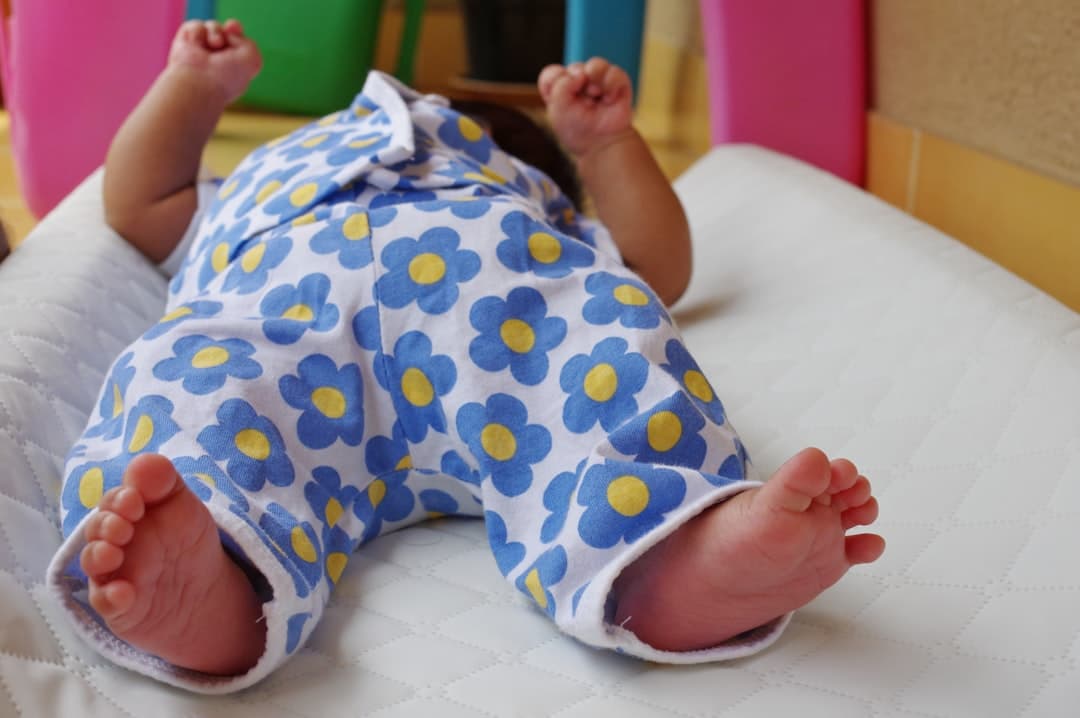
Photo by Joydeep Sensarma on Unsplash
It's 2 AM and your baby — who was sleeping beautifully just last week — is wide awake, practising pulling to stand in their crib for what feels like the hundredth time tonight. Sound familiar? If your little one is suddenly fighting sleep, waking frequently, or turning bedtime into a gymnastic session, you might be experiencing a sleep regression before walking. This developmental phase is both exciting and exhausting, leaving many parents wondering if they'll ever sleep again.
Here's what I want you to know: sleep disruptions before major motor milestones like walking are incredibly common and completely normal. Your baby's brain is working overtime to master this incredible new skill, and unfortunately, sleep often takes a backseat during these intense learning periods. The good news? This phase is temporary, and there are gentle ways to support both your baby's development and your family's sleep.
In this guide, we'll explore why sleep regression before walking happens, when to expect it, and most importantly, how to navigate this challenging phase with patience and practical strategies that actually work.
In This Guide:
- Understanding Sleep Regression Before Walking
- Why Sleep Regression Happens Before Walking
- Recognising Signs of Pre-Walking Sleep Regression
- When Does Pre-Walking Sleep Regression Occur?
- Gentle Strategies to Navigate Pre-Walking Sleep Regression
- Balancing Developmental Support with Sleep Needs
- Common Mistakes to Avoid During Pre-Walking Regression
- When to Seek Additional Support
Understanding Sleep Regression Before Walking
A sleep regression before walking typically occurs when your baby is in the intense learning phase of mastering gross motor skills — usually between 9-15 months. During this time, their developing brain is so focused on practising these new physical abilities that it can seriously disrupt their sleep patterns.
Unlike other sleep regressions that follow predictable timelines, the pre-walking sleep regression is tied to individual development. Some babies experience it at 10 months, others at 14 months — it all depends on when your little one is working hardest on their walking skills.
What Makes This Regression Different
The sleep regression before walking has some unique characteristics that set it apart from other developmental sleep disruptions:
- Physical practice in the crib — you might find your baby standing, bouncing, or even attempting to 'walk' while lying down
- Increased restlessness during sleep as their body processes new motor patterns
- Difficulty settling because their brain is still 'switched on' from practising
- More frequent night wakings as sleep cycles are interrupted by movement
The intensity of this regression often correlates with how close your baby is to actually walking independently. The closer they get to this major milestone, the more their sleep might be affected.
Why Sleep Regression Happens Before Walking
To understand why your baby's sleep goes haywire before walking, we need to look at what's happening in their rapidly developing brain and body during this crucial period.
Brain Development and Motor Learning
When babies are learning to walk, their brains are forming new neural pathways at an incredible rate. The motor cortex — the part of the brain responsible for voluntary movement — is working overtime to coordinate balance, muscle control, and spatial awareness. This intense neural activity doesn't simply switch off when it's time to sleep.
Research shows that during periods of intense motor learning, the brain continues to process and consolidate these new skills even during sleep. This can lead to more restless sleep, frequent position changes, and yes — practising new movements while supposedly sleeping.
Physical Discomfort and Growing Pains
Learning to walk puts new demands on your baby's muscles, joints, and overall body. They might experience:
- Muscle fatigue from increased physical activity during the day
- Minor aches from falls and tumbles while practising
- Changes in their centre of gravity affecting comfort positions
- Increased appetite and growth spurts that can disrupt sleep
Excitement and Stimulation
Let's not underestimate the sheer excitement factor. Walking represents freedom and independence for your baby, and this anticipation can be genuinely stimulating. Just like adults sometimes have trouble sleeping before a big event, babies can become overstimulated by the prospect of mastering this new skill.
Try This Tonight
If your baby is practising standing or 'walking' in their crib at bedtime, try giving them extra floor time during the day to practise these skills. The more they can work on walking while awake, the less their brain may feel compelled to practise at night.
Recognising Signs of Pre-Walking Sleep Regression
Not every sleep disruption around this age is related to walking development. Here's how to identify if your baby's sleep troubles are specifically linked to their pre-walking phase:
Physical Signs in the Crib
- Standing up in the crib during sleep times (and sometimes not knowing how to get back down)
- Bouncing or 'dancing' while holding the crib rails
- Rolling more than usual or sleeping in unusual positions
- Appearing to 'march' or move their legs in walking motions while lying down
Sleep Pattern Changes
- Previously good sleepers suddenly having trouble settling at bedtime
- More frequent night wakings, especially in the second half of the night
- Shorter naps or difficulty transitioning between sleep cycles
- Early morning wakings with immediate attempts to stand or move
Daytime Behaviour Clues
During the day, you might notice your baby is:
- Pulling to stand constantly — on furniture, your legs, anything available
- Cruising along furniture or attempting independent steps
- More clingy or frustrated when they can't reach something
- Showing increased determination and focus on movement activities
The key indicator is that these sleep disruptions coincide with obvious advances in your baby's gross motor development. If your baby isn't showing signs of working on walking skills, their sleep troubles might be related to other factors like age-related regressions or environmental changes.
When Does Pre-Walking Sleep Regression Occur?
The timing of sleep regression before walking varies significantly between babies, as it's tied to individual developmental timelines rather than chronological age. However, there are some general patterns to be aware of:
Typical Age Range
Most babies experience this regression between 9-15 months, with the most common timing being:
- 10-12 months: Early walkers who are cruising and showing signs of independent steps
- 12-14 months: Average-timeline babies working intensively on balance and coordination
- 14-16 months: Later walkers who are just beginning to cruise or stand independently
Remember, some babies walk as early as 8-9 months, while others don't take their first independent steps until 15-18 months — both are completely normal!
Duration and Intensity
The pre-walking sleep regression typically lasts 2-6 weeks, depending on:
- How quickly your baby masters the walking skill
- Their individual temperament and adaptability
- How consistently you maintain sleep routines during this phase
- Whether other developmental milestones are occurring simultaneously
Multiple Mini-Regressions
Some babies experience several shorter sleep disruptions as they progress through different stages of walking development:
- Phase 1: Learning to pull to stand (sleep disrupted by standing practice)
- Phase 2: Cruising along furniture (excitement and increased mobility)
- Phase 3: Independent steps (intense focus and brain development)
- Phase 4: Confident walking (usually when sleep normalises)
Try This Tonight
Keep a simple log of your baby's motor milestones alongside their sleep patterns. This can help you recognise the connection and predict when improvements might occur.
Gentle Strategies to Navigate Pre-Walking Sleep Regression
The key to managing sleep regression before walking is supporting your baby's development while maintaining as much sleep structure as possible. Here are evidence-based strategies that respect your baby's learning process:
Maximise Daytime Practice Opportunities
The more your baby can practise walking skills during appropriate daytime hours, the less their brain may feel compelled to practise at night:
- Create safe spaces for cruising and walking attempts throughout your home
- Spend extra time on the floor during play sessions
- Use push toys or walking wagons to encourage practice
- Take walks outside where your baby can hold your hands and practise steps
Adjust Your Bedtime Routine
During this phase, your baby might need a slightly longer wind-down period to help their excited brain transition to sleep mode:
- Start the bedtime routine 15-30 minutes earlier to allow for extra settling time
- Include more calming activities like gentle massage or quiet songs
- Reduce stimulating activities in the hour before bedtime
- Consider a warm bath to help relax tense muscles from extra daytime activity
Handle Crib Standing Calmly
If your baby stands up in their crib at bedtime or during night wakings:
- Stay calm and avoid making it a game or giving excessive attention
- Help them lie back down the first few times, then give them space to figure it out
- Use a consistent, boring response: 'It's sleep time, lie down'
- Lower the crib mattress if you haven't already for safety
Try This Tonight
If your baby gets 'stuck' standing and cries because they can't get down, it's okay to help them lie down initially. Most babies learn to lower themselves within a few days to a week of mastering standing.
Get the Free Sleep Regression Survival Checklist
A printable checklist to help you track what's working and stay consistent tonight.
Download Free ChecklistBalancing Developmental Support with Sleep Needs
One of the biggest challenges during the pre-walking regression is supporting your baby's natural development while protecting your family's sleep. Here's how to find that balance:
The DREAM Method Approach
Using my DREAM Method, we can navigate this regression thoughtfully:
Decode: Recognise that sleep disruptions are your baby's brain working on walking skills. This isn't a behavioural issue — it's developmental.
Reset: Temporarily adjust expectations and routines to accommodate this learning phase, while maintaining core sleep structure.
Emotionally Connect: Stay patient and supportive. Your baby isn't trying to disrupt sleep — they're working on an incredible new skill.
Adapt: Make temporary modifications to routines, environment, and responses while keeping long-term sleep goals in mind.
Master: Once walking is achieved, gradually return to previous sleep expectations and routines.
Nutrition and Physical Comfort
Learning to walk is physically demanding, so ensure your baby has the energy and comfort they need:
- Offer nutritious meals and snacks to fuel increased activity
- Ensure adequate hydration throughout the day
- Consider whether your baby needs more calories during this active phase
- Check that clothing and sleep environment remain comfortable
Environmental Modifications
Small changes to the sleep environment can help reduce the urge to practise at inappropriate times:
- Ensure the room is dark enough to promote melatonin production
- Use white noise to mask household sounds that might trigger alertness
- Keep the room at an optimal temperature (around 18-20°C/65-68°F)
- Remove any stimulating toys or objects from the crib
Common Mistakes to Avoid During Pre-Walking Regression
In the exhaustion of dealing with disrupted sleep, it's easy to fall into patterns that might actually prolong the regression or create new sleep associations. Here's what to avoid:
Don't Abandon All Structure
While flexibility is important, completely abandoning routines can make things worse:
- Maintain consistent bedtimes and wake times as much as possible
- Keep your bedtime routine, even if it takes longer than usual
- Don't skip naps entirely — tired babies have even more trouble with sleep regulation
Avoid Creating New Sleep Crutches
In desperation, it's tempting to use whatever works in the moment, but be careful not to create dependencies:
- Don't start co-sleeping if it wasn't part of your plan before
- Avoid introducing new sleep props like extra feeding or rocking
- Don't make dramatic changes to the sleep environment
Don't Restrict Daytime Movement
Some parents worry that allowing too much walking practice will worsen sleep, but the opposite is usually true:
- Don't limit your baby's opportunities to practise walking during appropriate times
- Don't keep them in containers (high chairs, bouncers) more than usual
- Don't avoid taking them places where they can practise moving
Try This Tonight
Remember that this regression is temporary and directly tied to your baby's development. The faster they master walking, the sooner their sleep will settle. Supporting their development actually helps resolve the sleep issues more quickly.
When to Seek Additional Support
While sleep regression before walking is normal, there are times when additional support might be helpful or necessary:
Red Flags to Watch For
- The regression lasts longer than 8 weeks with no improvement
- Your baby seems to be regressing in motor skills or losing abilities they had gained
- Sleep disruptions are so severe that your baby is getting less than 10 hours of sleep in 24 hours
- Your baby appears to be in pain or significant discomfort
Signs You Might Need Sleep Support
Consider reaching out for professional guidance if:
- Your family's functioning is significantly impacted for more than a month
- You're unsure whether the sleep issues are developmental or behavioural
- Multiple sleep regressions are overlapping (like 18-month regression combined with pre-walking)
- Your baby had significant sleep challenges before the regression began
Professional Resources
Different professionals can help with different aspects:
- Paediatricians: Rule out medical causes for sleep disruption
- Sleep specialists: Address complex sleep patterns and provide customised strategies
- Occupational therapists: Support motor development if there are delays or concerns
- Lactation consultants: If feeding and sleep issues are intertwined
If you're feeling overwhelmed or unsure about your baby's sleep patterns, don't hesitate to reach out. Every baby is different, and what works for one family might not work for another. Getting personalised guidance can make all the difference in navigating this challenging phase.
Need Personalised Advice?
Ask Marli — our free AI sleep consultant — for advice tailored to your exact situation.
Chat with Marli — FreeFrequently Asked Questions
How long does sleep regression before walking typically last?
Sleep regression before walking usually lasts 2-6 weeks, depending on how quickly your baby masters walking skills and their individual temperament. Most babies' sleep patterns improve significantly once they're confidently walking independently.
Should I help my baby lie down when they stand in their crib?
Initially, yes — it's okay to help them lie back down, especially if they seem stuck or distressed. However, give them opportunities to figure it out themselves too. Most babies learn to lower themselves within a week of mastering standing.
Will letting my baby practise walking more during the day help their sleep?
Yes, absolutely! The more opportunities your baby has to practise walking skills during appropriate daytime hours, the less their brain may feel compelled to practise these skills at bedtime or during the night.
Is it normal for my baby to wake up and immediately try to stand?
Yes, this is very common during the pre-walking phase. Your baby's brain is so focused on mastering these motor skills that they often attempt to practise immediately upon waking. This typically resolves once walking becomes automatic.
Can sleep regression happen before other milestones besides walking?
Yes, sleep regressions can occur before many major developmental milestones including sitting up, crawling, talking, and potty training. Any significant brain development or new skill acquisition can temporarily disrupt sleep patterns.
Should I change my baby's bedtime during this regression?
You might need to start the bedtime routine 15-30 minutes earlier to allow for extra settling time, but try to keep the actual bedtime consistent. This helps maintain their circadian rhythm while accommodating the extra time needed to wind down their excited brain.
Your Baby Is Learning Something Incredible
Watching your baby work towards walking is truly magical, even when it means a few weeks of disrupted sleep. Remember, every time they stand up in their crib or wake up ready to practise, their brain is building incredible neural pathways that will serve them for life. This regression isn't a step backward — it's a sign that your baby is developing beautifully. Stay patient, trust the process, and know that better sleep is coming. Soon, you'll be chasing after a confident little walker, and these sleepless nights will be just a memory.