Sleep Regression Definition
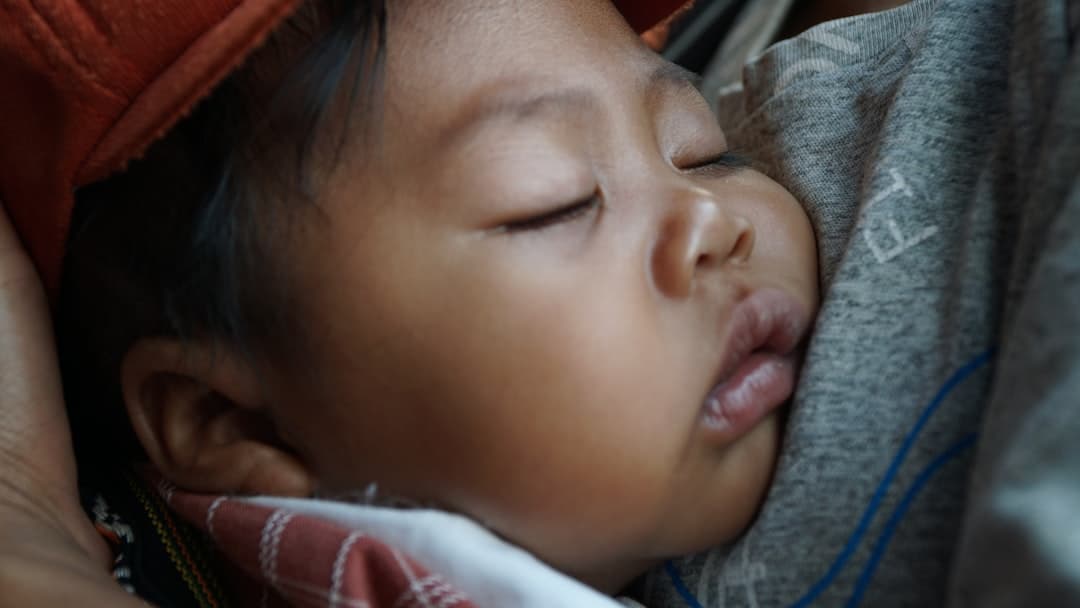
Photo by Dang Truong on Unsplash
It's 3 AM, and your previously great sleeper is suddenly wide awake, fighting bedtime, and turning your nights upside down. You've heard other parents mention the dreaded words 'sleep regression,' but what exactly is a sleep regression definition that actually makes sense? If you're wondering whether your little one is going through one of these challenging phases, you're not alone — and you're not imagining the exhaustion.
The good news is that sleep regressions are completely normal, temporary, and actually a sign that your child's development is right on track. But when you're in the thick of it, that knowledge doesn't make the sleepless nights any easier. Understanding what's happening and why can help you navigate this phase with more confidence and less worry.
In this comprehensive guide, we'll break down everything you need to know about sleep regressions — from the science behind them to practical strategies for surviving them. Most importantly, you'll discover that this challenging phase will pass, and there are concrete steps you can take to help your family through it.
In This Guide:
- What Is a Sleep Regression? The Complete Definition
- Recognizing Sleep Regression Signs in Your Child
- Sleep Regression Timeline: When to Expect Them
- Why Sleep Regressions Happen: The Developmental Connection
- How to Navigate Sleep Regressions: Practical Strategies
- How Long Do Sleep Regressions Last?
- When Sleep Problems Aren't Just a Regression
- Supporting Yourself Through Sleep Regressions
What Is a Sleep Regression? The Complete Definition
A sleep regression is a temporary period when a child who has been sleeping well suddenly experiences significant disruptions in their sleep patterns. This isn't just a few rough nights — it's a distinct phase where previously established sleep habits seem to completely fall apart.
During a sleep regression, you might notice your child taking longer to fall asleep, waking more frequently during the night, fighting naps, experiencing shorter sleep periods, or showing increased resistance to their usual bedtime routine. These changes typically last anywhere from 2-6 weeks, though every child is different.
The Science Behind Sleep Regressions
Sleep regressions aren't random disruptions — they're actually tied to significant developmental leaps in your child's brain and body. During periods of rapid growth, your child's sleep architecture (the structure of their sleep cycles) literally reorganizes itself.
Think of it like your child's brain doing a major software update. Just like your phone might run slowly during an update, your child's sleep system temporarily becomes less efficient while these important developmental changes take place. The brain is busy forming new neural connections, processing new skills, and adapting to physical growth spurts.
Try This Tonight
Remember: sleep regressions are a sign that your child's development is progressing normally. While exhausting for parents, they indicate healthy brain development.
Recognizing Sleep Regression Signs in Your Child
Not every bad night is a sleep regression. True sleep regressions have specific characteristics that distinguish them from temporary sleep disruptions caused by illness, travel, or routine changes.
Primary Sleep Regression Symptoms
- Sudden onset: Sleep problems appear seemingly overnight in a previously good sleeper
- Increased night wakings: Your child wakes more frequently and stays awake longer
- Bedtime battles: Previously easy bedtimes become lengthy struggles
- Nap resistance: Naps become shorter, harder to achieve, or are refused entirely
- Early morning wakings: Your child starts waking much earlier than usual
- Increased fussiness: More crying, clinginess, or irritability due to overtiredness
What Sleep Regressions Are NOT
It's important to distinguish sleep regressions from other sleep disruptions. A true sleep regression is not caused by illness, teething pain, environmental changes, or inconsistent routines — though these factors can certainly make a regression more challenging.
Sleep regressions also aren't permanent. If sleep problems persist beyond 6-8 weeks without any sign of improvement, it may be worth exploring other causes or consulting with a pediatric sleep specialist.
Try This Tonight
Keep a simple sleep log during suspected regressions. Note bedtimes, wake times, and night wakings. This can help you identify patterns and track improvements.
Sleep Regression Timeline: When to Expect Them
Sleep regressions typically occur at predictable developmental milestones, though not every child will experience every regression. Understanding the common timeline can help you prepare and recognize when your child might be entering a regression phase.
The Most Common Sleep Regression Ages
- 4 months: The most significant regression, involving major changes in sleep architecture
- 6 months: Often coincides with learning to sit up and increased social awareness
- 8-10 months: Related to crawling, pulling to stand, and separation anxiety
- 12 months: Walking development and increased independence
- 15-18 months: Language explosion and cognitive leaps
- 2 years: Major developmental milestone with increased independence and language skills
- 3 years: Transition to more mature sleep patterns and possible nap transitions
It's crucial to remember that these are general guidelines, not rigid rules. Some children may experience regressions slightly earlier or later, and others might skip certain regressions entirely. Every child develops at their own pace.
Factors That Influence Regression Timing
Several factors can influence when and how intensely your child experiences sleep regressions. Premature babies may experience regressions based on their adjusted age rather than chronological age. Children who are naturally more sensitive or those going through multiple developmental leaps simultaneously may experience more pronounced regressions.
Get the Free Sleep Regression Survival Checklist
A printable checklist to help you track what's working and stay consistent tonight.
Download Free ChecklistWhy Sleep Regressions Happen: The Developmental Connection
Understanding why sleep regressions occur can help you approach them with more patience and less frustration. These temporary disruptions serve important developmental purposes and are actually signs of healthy growth.
Brain Development and Sleep Architecture Changes
During the first few years of life, your child's brain undergoes rapid and dramatic changes. Sleep patterns that worked at 3 months may no longer be appropriate at 6 months because the brain's sleep organization has literally evolved.
The most dramatic example is the 4-month sleep regression, where babies transition from newborn sleep patterns (which include only two sleep stages) to more adult-like sleep cycles with four distinct stages. This is a permanent neurological maturation — there's no going back to newborn sleep patterns.
Physical Development Impacts
New physical skills can significantly disrupt sleep. When your baby learns to roll, sit, crawl, or walk, their brain becomes preoccupied with practicing these new abilities — even during sleep times. It's not uncommon for parents to find their baby practicing crawling or pulling to stand in their crib during what should be sleep time.
Cognitive and Emotional Leaps
Major cognitive developments, such as understanding object permanence (realizing that you still exist even when out of sight) or language explosions, can also trigger sleep disruptions. These mental leaps require significant brain processing power, which can interfere with the ability to settle into deep, restorative sleep.
Try This Tonight
Remember that your child isn't choosing to sleep poorly during regressions. Their developing brain is simply reorganizing itself, and sleep disruption is a temporary side effect of this important process.
How Long Do Sleep Regressions Last?
One of the most common questions exhausted parents ask is how long they can expect a sleep regression to last. While every child is different, understanding typical timelines can help you maintain perspective during the most challenging nights.
Typical Sleep Regression Duration
Most sleep regressions last between 2-6 weeks, with many resolving closer to the 3-4 week mark. However, this timeline can vary based on several factors including your child's age, temperament, and how you respond during the regression.
The 4-month regression tends to be the longest and most intense because it involves permanent changes to sleep architecture. Later regressions, while still challenging, are often shorter because they're primarily related to temporary developmental disruptions rather than fundamental sleep system changes.
Factors That Affect Duration
- How well-established sleep skills were before the regression
- Whether you maintain consistent routines during the regression
- Your child's individual temperament and adaptability
- Other life stressors (illness, travel, family changes)
- Whether multiple developmental leaps are occurring simultaneously
Signs a Regression Is Ending
You'll know a sleep regression is resolving when you start seeing gradual improvements in sleep patterns. This might include longer stretches of sleep at night, easier bedtimes, or better nap quality. The improvement is usually gradual rather than sudden — expect good days mixed with challenging ones as your child's sleep stabilizes.
Try This Tonight
Track small improvements rather than waiting for perfect sleep. Celebrating progress helps maintain your sanity and motivation during the recovery phase.
When Sleep Problems Aren't Just a Regression
While sleep regressions are normal developmental phases, sometimes persistent sleep problems indicate other issues that need attention. Knowing when to seek additional support can help you get the help your family needs.
Red Flags That Suggest Something More Than a Regression
- Sleep problems persist for more than 8 weeks without improvement
- Your child shows signs of illness, feeding difficulties, or developmental delays
- Sleep disruptions are accompanied by significant behavioral changes during the day
- Your child seems to be in physical discomfort or pain
- Sleep problems began suddenly after a traumatic event or major life change
- You're concerned about your own mental health due to chronic sleep deprivation
Professional Support Options
If you're concerned that your child's sleep problems extend beyond a typical regression, several professionals can help. Your pediatrician can rule out medical issues, while certified sleep consultants can help identify and address behavioral sleep challenges. In some cases, occupational therapists or developmental specialists might be helpful if sleep problems are part of broader developmental concerns.
Don't hesitate to reach out for support if you're struggling. Chronic sleep deprivation affects your entire family's well-being, and getting help is a sign of good parenting, not failure.
Need Personalised Advice?
Ask Marli — our free AI sleep consultant — for advice tailored to your exact situation.
Chat with Marli — FreeSupporting Yourself Through Sleep Regressions
Sleep regressions are challenging for children, but they're also incredibly difficult for parents. Taking care of yourself during these phases isn't selfish — it's essential for your ability to support your child and maintain your family's well-being.
Practical Self-Care During Regressions
- Accept help from family and friends when offered
- Prioritize rest whenever possible — nap when your child naps
- Maintain basic nutrition even when exhausted
- Connect with other parents who understand what you're experiencing
- Remember that this phase is temporary, even when it feels endless
- Be patient with yourself and your partner — everyone's functioning is affected by sleep deprivation
Managing Expectations and Emotions
Sleep regressions can trigger intense emotions including frustration, guilt, worry, and exhaustion. These feelings are completely normal and don't mean you're failing as a parent. It's okay to feel overwhelmed by the challenge of supporting a child through developmental changes while managing your own sleep deprivation.
Remember that your child isn't giving you a hard time — they're having a hard time themselves. Their brain is working overtime to process new developments, and they need your patience and support to navigate this challenging phase.
Try This Tonight
Create a mantra for difficult nights: 'This is temporary, this is normal, and we will get through this together.' Sometimes a simple reminder can help you stay grounded during the hardest moments.
Frequently Asked Questions
How do I know if it's a sleep regression or just bad sleep?
A true sleep regression involves sudden sleep disruptions in a previously good sleeper, coincides with developmental milestones, and includes multiple symptoms like increased night wakings, bedtime battles, and nap resistance. Bad sleep from illness or routine changes usually has an obvious trigger and resolves more quickly.
Can you prevent sleep regressions from happening?
Sleep regressions cannot be prevented because they're tied to normal developmental processes. However, maintaining consistent routines and healthy sleep foundations can help minimize their intensity and duration.
Do all babies experience every sleep regression?
No, not every child experiences every sleep regression. Some may skip certain phases entirely, while others might have milder disruptions. The 4-month regression is the most common because it involves permanent neurological changes.
Should I change my child's sleep routine during a regression?
Generally, it's best to maintain consistent routines during regressions while being flexible with timing. Avoid introducing new sleep associations or making major changes that might create longer-term dependencies.
When should I be concerned about a sleep regression?
Seek professional guidance if sleep problems persist beyond 8 weeks, are accompanied by signs of illness or developmental concerns, or if your family's well-being is significantly affected. Trust your instincts if something feels wrong.
Will my child's sleep go back to normal after a regression?
Yes, sleep typically returns to baseline or even improves after a regression resolves. The temporary disruption allows your child's sleep system to mature and adapt to their developmental progress.
You're Not Alone in This Journey
Understanding what sleep regressions are and why they happen doesn't make them less exhausting, but it can help you navigate them with more confidence and less worry. Remember that these challenging phases are actually signs that your child's development is progressing beautifully — even when it doesn't feel that way at 3 AM. You're not failing when your previously great sleeper suddenly struggles. You're simply supporting your child through an important developmental transition. With patience, consistency, and the right strategies, you'll both emerge from this phase with better sleep and stronger confidence. This too shall pass, and peaceful nights are coming.