Sleep Regression In Spanish
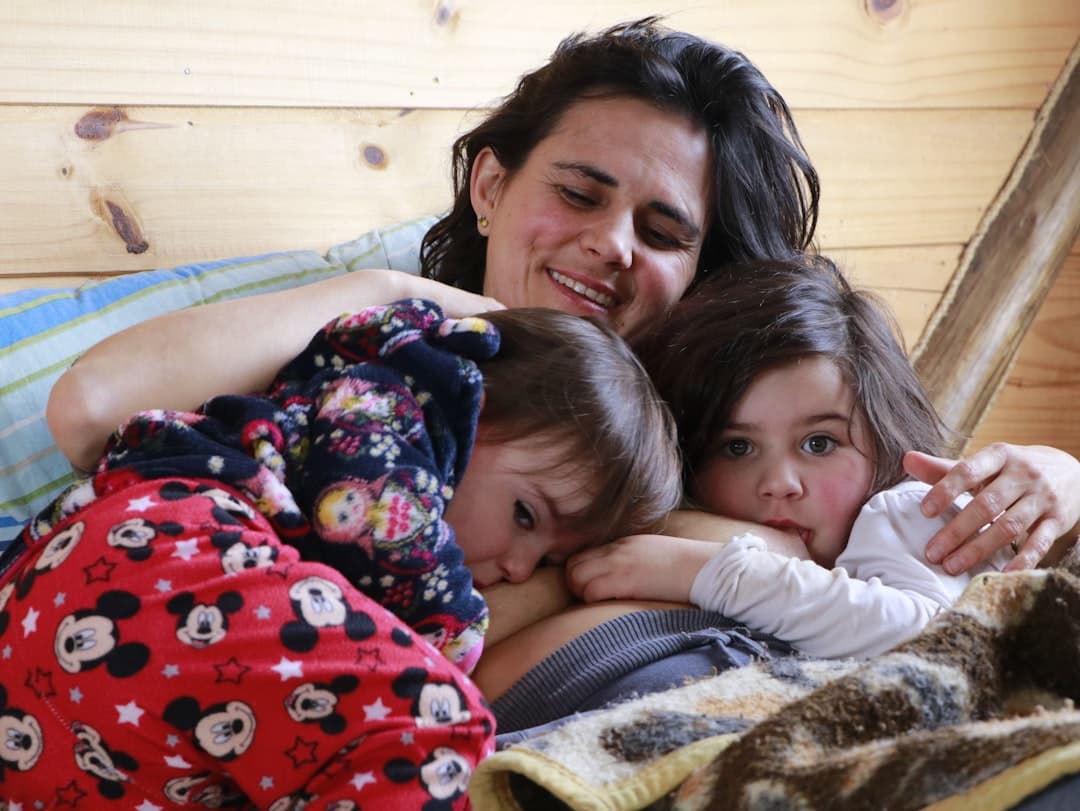
Photo by Luiza Braun on Unsplash
It's 3 AM, and your toddler is wide awake — again. You're exhausted, your partner is frustrated, and Abuela's well-meaning advice about 'mi nieto necesita más discipline' isn't helping. If you're navigating sleep regression in Spanish-speaking households, you're juggling more than just sleepless nights — you're balancing cultural expectations, family opinions, and your child's developmental needs.
Sleep regressions are challenging enough, but when you're raising bilingual children or living in multigenerational homes where Spanish is the primary language, the journey can feel even more complex. Cultural differences in sleep approaches, family dynamics, and communication styles all play a role in how you handle these difficult phases.
This comprehensive guide will help you understand sleep regression through a culturally-sensitive lens, offering practical strategies that honor your family's values while supporting your child's healthy sleep development.
In This Guide:
- Understanding Sleep Regression in Spanish-Speaking Families
- When Sleep Regressions Happen: Ages and Stages
- Cultural Challenges During Sleep Regressions
- Special Considerations for Bilingual Children
- Practical Strategies for Spanish-Speaking Families
- Addressing Common Sleep Regression Behaviors
- Working with Healthcare Providers and Sleep Specialists
- Maintaining Family Harmony During Sleep Challenges
Understanding Sleep Regression in Spanish-Speaking Families
Sleep regression — or 'regresión del sueño' in Spanish — describes periods when a child who was sleeping well suddenly begins waking frequently, fighting bedtime, or refusing naps. These temporary setbacks are completely normal developmental phases that affect children regardless of culture or language.
However, how families respond to sleep regression in Spanish-speaking households often differs from mainstream sleep advice. Understanding these cultural nuances is crucial for developing effective strategies that work for your family.
Common Cultural Perspectives on Child Sleep
Many Spanish-speaking families embrace co-sleeping ('colecho') and family beds as natural, healthy practices. Extended family members often have strong opinions about sleep routines, viewing independent sleep as less important than family closeness and responsiveness to children's needs.
- Family sleeping arrangements that prioritize closeness over independence
- Later bedtimes that align with adult schedules and family time
- Responsive parenting that emphasizes meeting children's immediate needs
- Multigenerational input on child-rearing decisions
These approaches aren't wrong — they're simply different from the independent sleep methods often promoted in mainstream parenting advice. The key is finding solutions that honor your cultural values while addressing sleep challenges.
Try This Tonight
Remember that healthy sleep looks different in every family. Your approach should feel right for your household, not match someone else's expectations.
When Sleep Regressions Happen: Ages and Stages
Sleep regressions occur at predictable developmental milestones, typically around 4 months, 8-10 months, 12 months, 15-18 months, 2 years, and 3 years. Understanding these patterns helps Spanish-speaking families prepare and respond appropriately.
The 4-Month Sleep Regression (Regresión de los 4 Meses)
This first major sleep regression coincides with significant brain development. Your baby's sleep cycles mature, making them more aware of their environment and more likely to wake between sleep cycles.
Toddler Sleep Regressions (18 Months to 2 Years)
The 18-month sleep regression often coincides with language explosions — particularly relevant for bilingual children learning both Spanish and English. This cognitive leap can temporarily disrupt sleep patterns.
Similarly, the 2-year sleep regression aligns with increased independence, potty training, and the famous 'terrible twos' behavior that Spanish-speaking families might call 'los terribles dos años.'
The 3-Year Sleep Regression
Around age three, many children experience sleep disruptions related to vivid dreams, fears, and increased imagination. This 3-year sleep regression can be particularly challenging when children are processing information in multiple languages.
- Nightmares or 'pesadillas' become more common
- Fear of the dark ('miedo a la oscuridad') may develop
- Bedtime stalling tactics become more sophisticated
- Separation anxiety may resurface
Cultural Challenges During Sleep Regressions
Spanish-speaking families often face unique challenges when addressing sleep regressions, particularly when balancing traditional family values with modern sleep science.
Family Opinions and Generational Differences
Grandparents ('abuelos') and extended family members frequently have strong opinions about child sleep. Comments like 'En mis tiempos, los niños dormían cuando tenían sueño' (In my day, children slept when they were tired) can create tension when parents are trying to establish consistent routines.
These generational differences often stem from different cultural contexts and economic realities. What worked for previous generations may not address current family needs or living situations.
Language and Communication Barriers
Finding sleep resources in Spanish can be challenging, leaving many families relying on English-language advice that doesn't consider cultural contexts. Additionally, communicating with pediatricians or sleep specialists who don't speak Spanish can complicate getting appropriate support.
Multigenerational Living Arrangements
Many Spanish-speaking families live in multigenerational homes where implementing sleep training or consistent routines becomes complex. Different family members may have varying schedules, noise levels, and approaches to child-rearing.
Try This Tonight
Create a family meeting to discuss sleep goals and get everyone on the same page. Explain that consistency helps children feel secure, even if approaches differ from past generations.
Special Considerations for Bilingual Children
Children learning both Spanish and English may experience unique sleep challenges during regressions, particularly when language development accelerates.
Language Processing and Sleep Disruption
Bilingual children's brains work harder to process and organize two language systems. During periods of rapid language development, this extra cognitive work can temporarily disrupt sleep patterns.
- Dreams may occur in both languages, potentially causing confusion
- Language mixing during bedtime stories or songs
- Processing new vocabulary in both languages during sleep
- Increased brain activity from switching between language systems
Bedtime Routine Language Choices
Decide which language to use primarily during bedtime routines. Consistency helps signal sleep time, though incorporating both languages can be beneficial for language development.
Consider using Spanish for soothing activities (lullabies, gentle conversations) and English for more structured elements (reading, explaining routines) — or vice versa, depending on your family's preferences.
Cultural Lullabies and Sleep Songs
Traditional Spanish lullabies like 'Duérmete Niño' or 'Arrorró mi Niño' can provide comfort and cultural connection during difficult sleep periods. These familiar melodies and rhythms often soothe children more effectively than unfamiliar songs.
Practical Strategies for Spanish-Speaking Families
Effective sleep regression management for Spanish-speaking families requires strategies that honor cultural values while addressing underlying sleep needs.
Creating Culturally-Appropriate Bedtime Routines
Develop consistent routines that incorporate your family's values and traditions while supporting healthy sleep habits.
- Include family prayer or 'oración familiar' if spirituality is important
- Incorporate gentle Spanish songs or stories
- Allow for family connection time before individual sleep
- Respect cultural preferences for later bedtimes while ensuring adequate sleep
Managing Family Input and Advice
Address well-meaning family advice with respect while maintaining your chosen approach. Explain that you're combining traditional family values with modern understanding of child development.
Try phrases like: 'Aprecio tu experiencia, y estamos adaptando lo que funcionó para ti con lo que sabemos ahora sobre el desarrollo infantil' (I appreciate your experience, and we're adapting what worked for you with what we know now about child development).
Adapting Sleep Environment for Multigenerational Homes
Create sleep-conducive environments even in busy, multigenerational households:
- Use white noise or soft music to buffer household sounds
- Establish quiet hours ('horas tranquilas') when possible
- Create visual barriers or cozy corners for sleep spaces
- Communicate bedtime schedules to all household members
Try This Tonight
If co-sleeping is your preference, ensure safe sleep practices while maintaining the closeness your family values. Safe co-sleeping can work with proper precautions.
Get the Free Sleep Regression Survival Checklist
A printable checklist to help you track what's working and stay consistent tonight.
Download Free ChecklistAddressing Common Sleep Regression Behaviors
Spanish-speaking families can address specific regression behaviors using culturally-sensitive approaches that maintain family harmony.
Night Wakings ('Despertares Nocturnos')
When children wake frequently during regressions, respond consistently while honoring your family's comfort level with nighttime parenting.
- Offer comfort in your preferred language
- Use gentle, consistent phrases like 'Es hora de dormir, mi amor'
- Gradually reduce intervention while maintaining emotional connection
- Consider room-sharing arrangements that work for your family
Bedtime Resistance ('Resistencia a la Hora de Dormir')
When children fight bedtime, structure and consistency become even more important. Many Spanish-speaking families find success with clear expectations combined with warm, nurturing approaches.
Implement a visual routine chart with pictures and Spanish labels. This helps children understand expectations while building their vocabulary in both languages.
Early Morning Wakings ('Despertares Muy Temprano')
Early rising can be particularly challenging in families where adults work late or prefer later schedules. Address early wakings by:
- Ensuring adequate total sleep over 24 hours
- Using blackout curtains to extend morning sleep
- Implementing quiet time if children won't return to sleep
- Gradually shifting bedtime earlier if needed
Working with Healthcare Providers and Sleep Specialists
Finding culturally-competent healthcare providers who understand both sleep science and Latino family dynamics can significantly improve outcomes during difficult regressions.
Finding Spanish-Speaking Sleep Support
Look for pediatricians, sleep consultants, or family support services that offer Spanish-language resources or bilingual staff. Many communities have Latino family resource centers that can provide referrals.
Communicating Cultural Preferences
When working with healthcare providers, clearly communicate your family's cultural values and sleep preferences. Explain that co-sleeping, family beds, or responsive parenting approaches are important to your family.
Good providers will work with your preferences rather than insisting on approaches that don't align with your values.
Preparing Questions in Both Languages
Write down questions and concerns in both Spanish and English before appointments. This ensures you can communicate effectively regardless of the provider's language abilities.
Try This Tonight
Bring a trusted family member or friend to appointments if language barriers exist. Having support helps ensure you understand recommendations and can advocate for your family's needs.
Maintaining Family Harmony During Sleep Challenges
Sleep regressions can strain family relationships, particularly in close-knit Spanish-speaking families where everyone's opinions matter. Maintaining harmony while addressing sleep issues requires patience and communication.
Partnering with Your Spouse ('Trabajando en Equipo')
Create a unified approach between parents, even if extended family members disagree. Present a united front while remaining open to feedback and adjustments.
Divide nighttime responsibilities fairly, considering work schedules and individual strengths. One parent might handle bedtime routines while the other manages night wakings.
Managing Extended Family Expectations
Respectfully set boundaries with extended family while acknowledging their care and concern. Explain that sleep challenges are temporary and that you're working toward solutions that honor family values.
Consider involving respected family elders in solution-finding rather than dismissing their input entirely. Their support can be invaluable once they understand your approach.
Self-Care for Parents ('Cuidado Personal para los Padres')
Remember that taking care of yourself isn't selfish — it's necessary for taking care of your family. Spanish-speaking cultures sometimes emphasize self-sacrifice, but parental well-being directly impacts children's outcomes.
- Accept help from family members when offered
- Take breaks when possible, even briefly
- Maintain social connections with other parents
- Seek support from community resources or religious organizations
Frequently Asked Questions
Is it normal for bilingual children to have more sleep regressions?
Bilingual children don't necessarily experience more frequent sleep regressions, but they may have slightly more intense periods during major language development leaps. This is temporary and reflects their impressive cognitive growth.
How do I handle family members who disagree with my sleep approach?
Acknowledge their experience while explaining your approach combines traditional values with current child development knowledge. Ask for their support in creating consistency for your child, even if methods differ from their generation.
What Spanish resources are available for sleep regression help?
Look for Spanish-language parenting books, local Latino family resource centers, bilingual pediatricians, and online communities for Spanish-speaking parents. Many mainstream resources are also being translated.
Should I use Spanish or English during bedtime routines?
Use whichever language feels most natural and soothing for your family. Consistency matters more than language choice. Many families successfully incorporate both languages into their bedtime routines.
How long do sleep regressions typically last in toddlers?
Most sleep regressions last 2-6 weeks, regardless of cultural background or language. The key is maintaining consistent, loving responses while the temporary developmental phase resolves naturally.
Can co-sleeping families still address sleep regressions effectively?
Absolutely. Co-sleeping families can address sleep regressions by focusing on consistent responses, appropriate sleep environment adjustments, and age-appropriate expectations while maintaining their preferred sleeping arrangements.
Tu Familia Puede Superar Esto — You Can Get Through This
Navigating sleep regressions while honoring your cultural values isn't always easy, but it's absolutely possible. Remember that there's no single 'right' way to handle these challenges — only the way that works best for your unique family situation. Whether you're managing opinions from three generations, balancing two languages, or simply trying to get through another sleepless night, trust that this difficult phase will pass. Your child is lucky to grow up in a family rich with culture, language, and love. Those same strengths that make your family special will help you navigate these temporary sleep challenges. ¡Tú puedes hacer esto! — You've got this!