Sleep Regression Stages
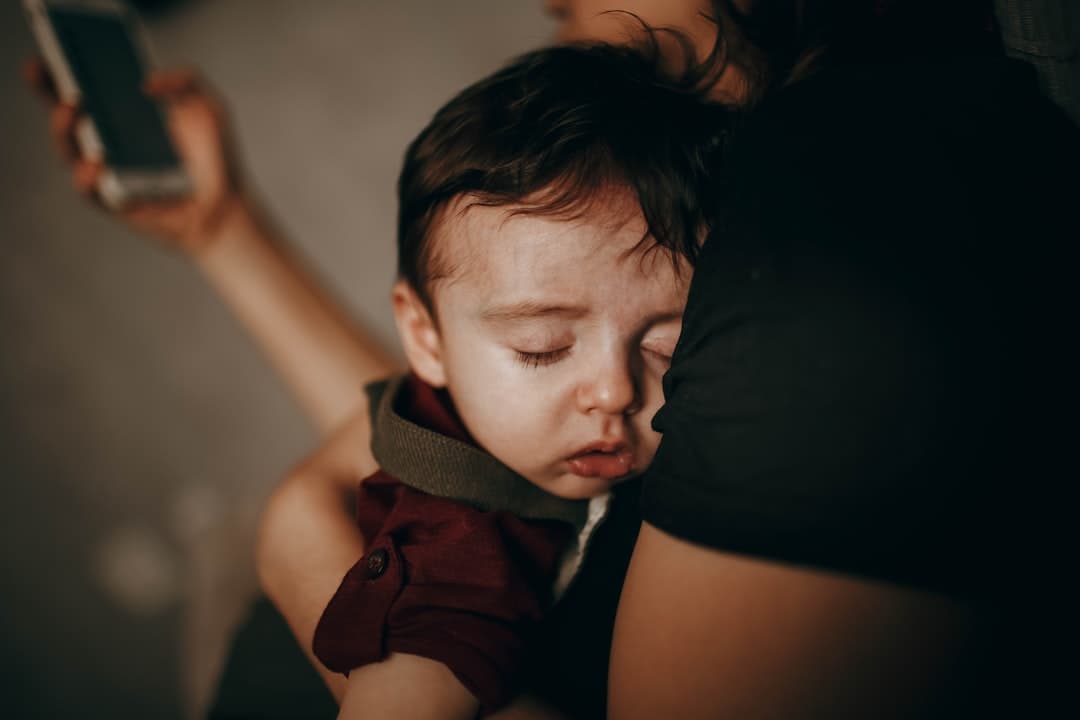
Photo by Helena Lopes on Unsplash
If you're reading this at 3 AM while your previously perfect sleeper is wide awake for the third night running, you're probably wondering if this chaos will ever end. The truth about sleep regression stages is that they're not random bursts of sleep mayhem — they're actually predictable phases that every child goes through as their sleep patterns mature and develop.
What feels like your child's sleep falling apart is actually their brain reorganising itself. Each sleep regression stage serves a specific developmental purpose, and understanding these phases can transform your experience from feeling helpless to feeling prepared and confident.
In this guide, we'll break down the five distinct sleep regression stages, what triggers each one, how long they typically last, and most importantly — exactly what you can do to support your child (and yourself) through each phase.
In This Guide:
- What Are Sleep Regression Stages?
- Stage One: The Newborn Adjustment Phase (0-3 Months)
- Stage Two: The Four-Month Sleep Architecture Transformation
- Stage Three: The Mobile Explorer Phase (8-12 Months)
- Stage Four: The Toddler Transition Complex (15-24 Months)
- Stage Five: The Preschooler Fear and Imagination Phase (3-4 Years)
- Using the DREAM Method Across All Sleep Regression Stages
- Sleep Regression Stages Timeline and Duration Patterns
- What Happens After the Major Sleep Regression Stages
What Are Sleep Regression Stages?
Sleep regression stages are distinct phases that occur when your child's sleep patterns temporarily deteriorate due to developmental leaps, brain maturation, or significant life changes. Rather than being isolated incidents, these stages follow a predictable pattern that reflects how your child's sleep architecture evolves over time.
Think of sleep regression stages as your child's brain doing essential 'software updates.' During these periods, their developing nervous system is literally rewiring itself to accommodate new skills, cognitive abilities, and physical capabilities. This reorganisation process naturally disrupts established sleep patterns, leading to the challenging behaviours you're experiencing.
The Science Behind Sleep Regression Stages
Research in developmental neuroscience shows that sleep regressions coincide with periods of rapid brain development. During these times, your child's sleep cycles mature, their circadian rhythms shift, and new neural pathways form. This biological restructuring explains why even the 'best' sleepers can suddenly struggle during these stages.
Each stage involves different aspects of sleep maturation. Some focus on the development of deeper sleep stages, others involve changes to REM sleep patterns, and several coincide with major cognitive or physical developmental milestones that literally keep your child's brain 'buzzing' with new information.
Try This Tonight
Keep a simple sleep log during challenging periods. Note bedtime, wake times, and any night wakings. This helps you identify patterns and track progress through each stage.
Stage One: The Newborn Adjustment Phase (0-3 Months)
The first sleep regression stage actually begins before most parents realise they're dealing with a 'regression' at all. During the newborn adjustment phase, your baby is transitioning from the womb environment to the outside world, and their sleep patterns are still forming.
Newborns don't actually experience traditional sleep regressions because they haven't established stable sleep patterns yet. However, around 6-8 weeks, many parents notice their baby's sleep becomes more unpredictable just as they thought they were getting into a rhythm. This coincides with the development of your baby's circadian rhythm.
What Happens During Stage One
- Sleep becomes more alert and less deep
- Day/night confusion may intensify
- Periods of increased fussiness, especially in the evening
- Shorter sleep stretches than expected
- Difficulty settling without assistance
This stage typically resolves as your baby's melatonin production kicks in around 3-4 months old. The key is understanding that this isn't a setback — it's your baby's sleep system coming online.
Supporting Your Baby Through Stage One
Focus on establishing gentle routines rather than rigid schedules. Prioritise helping your baby distinguish between day and night by exposing them to natural light during the day and keeping nighttime interactions calm and dim.
Stage Two: The Four-Month Sleep Architecture Transformation
The four-month sleep regression represents the most significant sleep regression stage because it involves a permanent change in your baby's sleep architecture. This isn't a temporary disruption that will pass — it's your baby's sleep maturing into a more adult-like pattern.
Around 4 months old, your baby's sleep cycles change from simple two-stage newborn sleep (active and quiet) to the complex four-stage adult sleep cycle. This transformation includes the development of light sleep stages, which means your baby now has multiple opportunities to wake during each sleep cycle.
Signs of the Four-Month Transformation
- Frequent night wakings (every 2-3 hours)
- Difficulty connecting sleep cycles
- Shorter naps (30-45 minutes)
- Increased awareness of surroundings when falling asleep
- Resistance to previously successful settling methods
This stage can last anywhere from 2-6 weeks, but the key insight is that your baby is developing the sleep skills they'll use for the rest of their life. The temporary disruption leads to more mature, restorative sleep in the long run.
Navigating the Four-Month Stage
This is often when parents need to adjust their approach to sleep. Your baby may need to learn new skills to navigate their more complex sleep cycles independently. Consider this stage as an opportunity to establish sustainable sleep habits rather than a problem to solve.
Try This Tonight
Practice putting your baby down awake during this stage. Their new sleep cycles mean they need to learn how to fall asleep independently to connect cycles throughout the night.
Get the Free Sleep Regression Survival Checklist
A printable checklist to help you track what's working and stay consistent tonight.
Download Free ChecklistStage Three: The Mobile Explorer Phase (8-12 Months)
Stage three encompasses several overlapping regression periods as your baby becomes increasingly mobile and cognitively aware. This phase includes regressions around 8-10 months and often extends through the 12-month mark, coinciding with major developmental milestones.
During this stage, your baby's brain is processing an enormous amount of new information. They're learning to crawl, pull up, cruise, and possibly walk. They're also developing object permanence, which means they now understand that you exist even when you're not in the room — a realisation that can make bedtime separation more challenging.
Physical Development Impact
The drive to practice new physical skills can literally keep your baby awake. You might find them standing in their cot at 2 AM, not because they're fully awake and ready to play, but because their brain is compelling them to practice these new movements.
Cognitive Development Challenges
- Separation anxiety peaks around 8-10 months
- Increased awareness of their environment
- Beginning of stranger awareness
- Understanding of cause and effect
- Memory development affecting sleep associations
This stage can feel particularly exhausting because it often involves multiple night wakings combined with early morning wake-ups as your baby processes all their new skills and experiences.
Supporting the Mobile Explorer
Ensure your baby gets plenty of opportunities to practice their new skills during the day. A tired body often sleeps better, but more importantly, adequate practice time can reduce the brain's need to rehearse these skills during sleep hours.
Stage Four: The Toddler Transition Complex (15-24 Months)
Stage four is perhaps the most complex sleep regression stage because it encompasses multiple overlapping developmental changes during the toddler years. This stage includes the well-known 18-month sleep regression but actually spans from around 15 months through to 2 years old.
During this extended phase, your toddler is experiencing massive brain development, language acquisition, emotional regulation challenges, and often significant nap transitions. Many toddlers also begin asserting their independence during this stage, which can manifest as bedtime resistance.
The 15-18 Month Window
The 15-month and 18-month periods are particularly challenging because they often coincide with the transition from two naps to one. This schedule change, combined with rapid language development and increased mobility, creates a perfect storm for sleep disruption.
Common Challenges in Stage Four
- Bedtime battles and increased resistance
- Night wakings with difficulty settling
- Early morning wake-ups
- Nap refusal or very short naps
- Increased separation anxiety
- Testing boundaries around sleep rules
The 2-year sleep regression often marks the end of this stage and is frequently triggered by major life changes like potty training, moving to a big kid bed, or the arrival of a sibling.
Navigating the Toddler Transition
Consistency becomes crucial during this stage. Your toddler is learning about boundaries and will naturally test sleep rules. Maintaining calm, consistent responses helps them feel secure while learning that sleep expectations remain firm.
Try This Tonight
Create a visual bedtime routine chart during this stage. Toddlers love predictability and having control over their routine, and pictures help them understand what comes next.
Stage Five: The Preschooler Fear and Imagination Phase (3-4 Years)
The final major sleep regression stage occurs during the preschool years and is characterised by the development of fears, nightmares, and an active imagination that can significantly impact sleep. The 3-year sleep regression often marks the beginning of this stage.
During this stage, your child's cognitive development reaches a point where they can imagine scenarios that don't exist. While this creativity is wonderful for their development, it can also create genuine fears about monsters, darkness, or being alone that didn't exist before.
The Development of Fear
Around age 3-4, children develop the cognitive ability to imagine 'what if' scenarios. This developmental leap, while positive, can create fears of the dark, monsters under the bed, or worry about separation from parents during sleep hours.
Stage Five Characteristics
- Bedtime stalling and requests for 'one more' story, drink, or hug
- Fears about darkness or imaginary threats
- Difficulty falling asleep alone
- Increased need for comfort items
- Nightmares or night terrors
- Resistance to staying in their own bed all night
This stage coincides with many children transitioning from a cot to a big bed, which can compound sleep challenges. The newfound freedom to get out of bed, combined with developmental fears, can create significant bedtime and overnight challenges.
Supporting Your Preschooler Through Stage Five
Validate your child's fears while maintaining calm confidence about their safety. Avoid dismissing their concerns, but also avoid elaborate reassurance rituals that might inadvertently reinforce the idea that there's something to be afraid of.
This stage often requires adjustments to bedtime routines to include adequate time for connection and reassurance without creating unsustainable habits. The goal is helping your child develop internal confidence about sleep while maintaining appropriate boundaries.
Using the DREAM Method Across All Sleep Regression Stages
While each sleep regression stage has unique characteristics, the DREAM Method provides a consistent framework for navigating any regression period. This approach helps you respond thoughtfully rather than reactively to sleep challenges.
Decode: Understanding Your Child's Stage
The first step is accurately identifying which sleep regression stage your child is experiencing. Consider their age, recent developmental milestones, and the specific sleep challenges you're facing. This understanding helps you set realistic expectations and choose appropriate strategies.
Reset: Adjusting Your Approach
Each stage may require adjustments to your current sleep approach. Stage two might require teaching new independent sleep skills, while stage five might need enhanced bedtime connection and reassurance strategies.
Emotionally Connect: Meeting Developmental Needs
Every sleep regression stage reflects your child's developmental needs. Stage three requires understanding their drive to practice new physical skills, while stage five needs acknowledgment of their developing fears and imagination.
Adapt: Flexible Responses
Your response strategies should adapt to each stage's unique challenges. What works during the four-month regression might not be appropriate for toddler sleep battles, and preschooler fears require different tools than separation anxiety.
Master: Building Long-term Skills
Each regression stage is an opportunity to build sleep skills that will serve your child long-term. Rather than just surviving each phase, focus on helping your child develop the internal resources they need for healthy sleep throughout their development.
Try This Tonight
Remember that progression isn't always linear. Your child might seem to master a stage, then revisit earlier challenges during times of stress, illness, or major life changes.
Sleep Regression Stages Timeline and Duration Patterns
Understanding the typical timing and duration of sleep regression stages helps you prepare mentally and practically for these challenging periods. While every child is unique, most follow predictable patterns that can help you plan ahead.
Typical Duration by Stage
- Stage 1 (Newborn): 2-4 weeks around 6-8 weeks old
- Stage 2 (Four-month): 3-6 weeks around 3.5-4.5 months
- Stage 3 (Mobile): 4-8 weeks, often recurring between 8-12 months
- Stage 4 (Toddler): 2-6 weeks per regression, multiple periods between 15-24 months
- Stage 5 (Preschooler): 3-8 weeks around 3-4 years old
Remember that these timeframes represent the adjustment period, not necessarily when sleep 'returns to normal.' Each stage represents a developmental leap, so your child's sleep patterns may be permanently different (and hopefully better) after working through each phase.
Factors That Influence Duration
Several factors can influence how long each sleep regression stage lasts. Children who have consistent routines and established independent sleep skills often move through stages more quickly. Conversely, major life changes, illness, or inconsistent responses can extend regression periods.
Your response during each stage significantly impacts its duration. Temporary solutions like increased rocking, extra night feeds, or co-sleeping might provide short-term relief but can extend the adjustment period by preventing your child from developing new skills appropriate for their developmental stage.
Planning Ahead
Knowing when to expect sleep regression stages allows you to prepare practically and emotionally. Consider scheduling important work projects or social commitments around predicted challenging periods, and ensure you have adequate support systems in place.
Need Personalised Advice?
Ask Marli — our free AI sleep consultant — for advice tailored to your exact situation.
Chat with Marli — FreeWhat Happens After the Major Sleep Regression Stages
While the five major sleep regression stages represent the most significant and predictable sleep disruptions, it's important to understand that sleep development continues throughout childhood. After age 4-5, major regressions become less common, but sleep can still be affected by various factors.
Ongoing Sleep Development
Even after completing the major regression stages, your child's sleep continues to mature. Sleep architecture continues developing until the teenage years, and various life events can temporarily disrupt established patterns.
Common Later Disruptions
- Starting school or changing schools
- Family changes (new baby, moving, divorce)
- Illness or medication changes
- Seasonal changes affecting circadian rhythms
- Growth spurts during school-age years
- Puberty-related sleep pattern shifts
The difference is that these later disruptions are typically situational rather than developmental. They're usually shorter-lived and respond well to consistent routines and temporary adjustments.
Building Resilient Sleep Skills
The goal of working through each sleep regression stage thoughtfully is to build your child's internal sleep resilience. Children who learn to navigate sleep challenges develop confidence and skills that serve them throughout their lives.
By understanding and supporting your child through each regression stage, you're not just solving immediate sleep problems — you're helping them develop the emotional regulation, self-soothing skills, and healthy sleep habits that will benefit them into adulthood.
Frequently Asked Questions
How can I tell which sleep regression stage my child is in?
Look at your child's age, recent developmental milestones, and specific sleep challenges. Each stage has characteristic patterns: newborns show day/night confusion, 4-month-olds have frequent night wakings, mobile babies practice skills in their cot, toddlers show bedtime resistance, and preschoolers develop fears about sleep.
Do all children go through every sleep regression stage?
Most children experience some version of each major stage, but the intensity and duration vary significantly. Some children sail through certain stages with minimal disruption, while others experience more pronounced challenges. The four-month regression is the most universal since it involves permanent changes to sleep architecture.
Can sleep regression stages overlap or happen out of order?
Yes, stages can overlap, especially during the toddler years when multiple developmental changes happen simultaneously. Children may also revisit earlier stage behaviours during stress or major life changes. This is normal and doesn't indicate a problem with their sleep development.
Should I change my approach for each different sleep regression stage?
While core principles like consistency and meeting your child's needs remain constant, your specific strategies should adapt to each stage's developmental requirements. A 4-month-old needs different support than a 3-year-old dealing with bedtime fears, even though both require patience and understanding.
How long should I wait before seeking help during a sleep regression stage?
If a regression lasts longer than 6-8 weeks, significantly impacts your family's wellbeing, or you're unsure about your approach, it's worth seeking guidance. Some stages naturally last longer, but professional support can help you navigate challenges more effectively and with greater confidence.
Can illness or life changes trigger sleep regression stages early?
Major stressors like illness, travel, or family changes can trigger regression-like symptoms at any age, but these are usually temporary disruptions rather than true developmental stages. However, stress can sometimes accelerate or intensify a developmental regression that was already approaching.
You're Not Just Surviving — You're Building Something Beautiful
Understanding sleep regression stages transforms these challenging periods from random chaos into meaningful developmental phases. Each stage your child works through is building their capacity for healthy, independent sleep. Yes, it's exhausting in the moment, but you're not just surviving these regressions — you're actively supporting your child's growing brain and helping them develop skills they'll use for life. Trust the process, be patient with both your child and yourself, and remember that every difficult night is moving you closer to better sleep for your whole family.