Sleep Regression Timeline
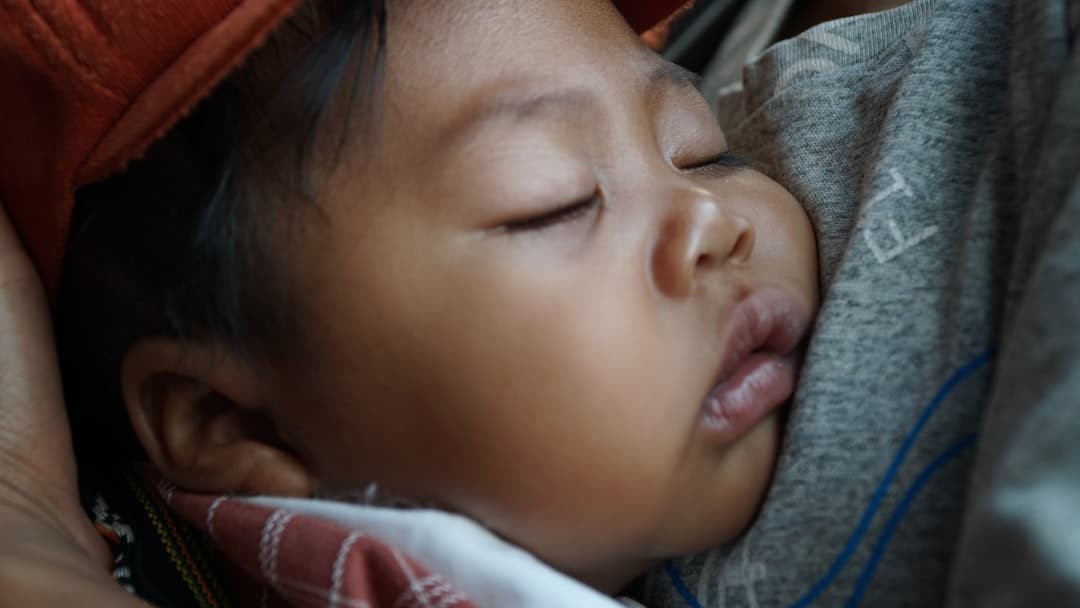
Photo by Dang Truong on Unsplash
It's 2:47 AM, and your previously perfect sleeper is wide awake — again. You're staring at your phone, desperately googling 'sleep regression timeline' wondering if this nightmare will ever end and when the next one might hit. If this sounds familiar, you're not alone in this exhausting journey.
Sleep regressions are one of the most challenging parts of parenting, but understanding the timeline can help you prepare, cope, and most importantly — know that this phase will pass. Each regression serves a purpose in your child's development, even when it feels like torture for everyone involved.
This comprehensive guide will walk you through the complete sleep regression timeline, from newborn to toddler years, so you can anticipate what's coming and develop strategies that actually work for your family.
In This Guide:
- What Is a Sleep Regression?
- The Early Months: Newborn to 3 Months
- The 4-Month Sleep Regression: The Big One
- The 6-Month Sleep Regression
- The 8-10 Month Mobility Regressions
- The 12-Month Sleep Regression
- The 15-18 Month Toddler Regressions
- The 2-Year Sleep Regression
- The 3-Year Sleep Regression & Beyond
- How to Navigate Sleep Regressions Successfully
- When It's Not a Sleep Regression
What Is a Sleep Regression?
A sleep regression is a period when a child who was previously sleeping well suddenly starts waking frequently at night, fighting bedtime, or refusing naps. These disruptions typically last 2-6 weeks and coincide with major developmental leaps in your child's brain and body.
Think of sleep regressions as your child's brain doing renovations. During these periods, they're processing new skills like rolling, crawling, walking, or language development. Their sleep temporarily becomes collateral damage while their brain reorganises itself.
Common Signs of a Sleep Regression
- Previously good sleeper suddenly waking multiple times per night
- Increased fussiness or crying at bedtime
- Shorter or skipped naps
- Early morning wakings (before 6 AM)
- Difficulty falling asleep independently
- Changes in appetite or mood during the day
The key distinction is that these changes happen suddenly in a child who was sleeping relatively well before. If your child has always been a challenging sleeper, you might be dealing with sleep associations or schedule issues rather than a true regression.
Try This Tonight
Keep a simple sleep log during suspected regressions. Note bedtime, wake times, and night wakings for 3-4 days. This helps distinguish between a regression and other sleep challenges.
The Early Months: Newborn to 3 Months
Technically, newborns don't experience true sleep regressions because their sleep patterns are naturally erratic. However, there are some challenging periods in those early months that can feel like regressions to exhausted parents.
6-Week Growth Spurt Sleep Disruption
Around 6 weeks, many babies experience their first major growth spurt. During this time, they may wake more frequently to feed, seem fussier, and have shorter sleep stretches. This coincides with their developing circadian rhythms, making sleep feel more unpredictable.
What's happening: Your baby's brain is rapidly developing, and they're starting to become more aware of their environment. The neurological chaos can make settling more difficult.
The 3-Month Sleep Pattern Shift
Around 3 months, some families notice their baby's sleep becoming more organised during the day but potentially more challenging at night. This isn't a true regression but rather your baby's circadian rhythms maturing.
- More predictable nap times emerging
- Longer stretches of sleep at night (for some babies)
- Increased awareness leading to more stimulation before sleep
- Growing out of the newborn sleepiness
Try This Tonight
Focus on establishing consistent day/night differences during these early months. Bright light and interaction during day feeds, dim and quiet for night feeds.
The 4-Month Sleep Regression: The Big One
The 4-month sleep regression is often the first true sleep regression parents experience, and it's typically the most challenging because it represents a permanent change in how your baby sleeps.
Unlike later regressions that are temporary, the 4-month regression marks your baby's transition to adult-like sleep cycles. Before this point, babies had only two sleep stages. Now they develop the full range of sleep stages, including lighter periods where they're more likely to wake.
What to Expect at 4 Months
- Previously long sleep stretches breaking into 2-hour chunks
- More frequent night wakings
- Difficulty connecting sleep cycles (waking every 45 minutes during naps)
- Increased fussiness during the day
- Changes lasting 4-6 weeks
This regression often catches parents off guard because many 2-3 month old babies are sleeping in longer stretches. Then suddenly, they're back to newborn-like wake patterns, leaving parents wondering what went wrong.
Timeline: Typically occurs between 3.5-4.5 months and can last 3-6 weeks. Some babies experience it as early as 3 months or as late as 5 months.
Try This Tonight
The 4-month regression is an ideal time to establish healthy sleep habits. Since your baby's sleep is changing anyway, you can introduce gentle sleep training methods if that aligns with your parenting style.
The 6-Month Sleep Regression
The 6-month sleep regression often coincides with major physical developments and the introduction of solid foods. Many babies are learning to sit independently and may be starting to show signs of separation anxiety.
Contributing Factors at 6 Months
- Learning to sit up (and getting stuck in that position in the crib)
- Beginning solid foods affecting digestion and hunger patterns
- Increased mobility and physical development
- Early signs of separation anxiety
- Possible teething discomfort
This regression tends to be shorter than the 4-month regression, typically lasting 2-3 weeks. However, it can be intense because your baby is experiencing multiple developmental changes simultaneously.
Timeline: Usually occurs between 5.5-6.5 months, lasting 2-4 weeks.
Try This Tonight
If your baby gets stuck sitting up in their crib, practice sitting and lying down during awake times so they can master the skill independently.
The 8-10 Month Mobility Regressions
Between 8-10 months, babies typically experience sleep disruptions related to major mobility milestones. This period can involve crawling, pulling to stand, and cruising — all of which can significantly impact sleep.
The 8-Month Crawling Regression
When babies learn to crawl, their brains are so excited about this new skill that they want to practice it constantly — including during sleep times. You might find your baby crawling around the crib instead of settling down.
The 9-10 Month Standing Regression
Learning to pull to stand is thrilling for babies, but many haven't yet figured out how to get back down. This leads to the classic scenario of finding your baby standing in their crib at 2 AM, crying because they're stuck.
- Baby practicing new skills in the crib instead of sleeping
- Getting stuck standing and unable to lie back down
- Increased separation anxiety as mobility develops
- Excitement about newfound independence affecting settling
Timeline: The 8-month regression typically lasts 2-3 weeks, while the 9-10 month regression can last 2-4 weeks.
Try This Tonight
Give your baby plenty of opportunities to practice new motor skills during awake time. The more they master these skills during the day, the less likely they are to practice them at night.
The 12-Month Sleep Regression
The 12-month mark brings significant changes as your baby transitions into toddlerhood. This regression often coincides with first steps, language explosions, and major cognitive development.
What's Happening at 12 Months
- Learning to walk or taking first steps
- Language development accelerating
- Increased independence and strong preferences
- Possible nap transition (though most babies still need two naps)
- Growing awareness of separation from parents
This regression can be particularly challenging because your almost-toddler has strong opinions but limited communication skills. They may resist bedtime more strongly or wake up ready to play in the middle of the night.
Timeline: Typically occurs between 11-13 months and lasts 2-4 weeks.
Try This Tonight
Maintain consistent boundaries during this regression. Your newly mobile baby is testing limits, and consistent responses help them feel secure.
The 15-18 Month Toddler Regressions
The toddler months bring some of the most challenging sleep regressions because your child is developing complex thinking skills while still lacking emotional regulation abilities.
The 15-Month Regression
The 15-month sleep regression often involves increased independence, strong preferences, and potential nap transitions. Many toddlers begin showing signs they might be ready to drop to one nap, though most still benefit from two.
The 18-Month Regression
The 18-month sleep regression is notorious for being particularly intense. This coincides with a major language explosion, increased emotional awareness, and often the transition from two naps to one.
- Strong preferences and opinions about everything
- Increased separation anxiety and clinginess
- Language development creating mental stimulation
- Possible nap strike or resistance to naps
- Testing boundaries and asserting independence
- Nightmares or night terrors may begin
These regressions can be exhausting because toddlers have the cognitive ability to remember and anticipate, but not the emotional regulation to handle big feelings appropriately.
Timeline: Each typically lasts 3-6 weeks, with the 18-month regression often being the longer of the two.
Get the Free Sleep Regression Survival Checklist
A printable checklist to help you track what's working and stay consistent tonight.
Download Free ChecklistThe 2-Year Sleep Regression
The 2-year sleep regression coincides with significant cognitive and emotional development. Your toddler's imagination is flourishing, which can lead to new fears and sleep associations.
Unique Challenges at 2 Years
- Development of fears (dark, monsters, separation)
- Increased imagination affecting sleep
- Strong desire for control and routine
- Possible potty training considerations
- Big emotions without full regulation skills
- Testing limits more deliberately
This regression can manifest as bedtime battles, frequent night wakings, early morning wakings, or complete nap refusal. The key is understanding that your 2-year-old's brain is processing complex concepts that can feel overwhelming.
Timeline: Typically occurs between 23-25 months and can last 3-6 weeks.
Try This Tonight
Address new fears with empathy while maintaining boundaries. Acknowledge their feelings ('I hear you're worried about monsters') while staying consistent with sleep expectations.
The 3-Year Sleep Regression & Beyond
The 3-year sleep regression often surprises parents because many assume sleep challenges are behind them by this age. However, this regression brings unique challenges related to dropping naps and increased cognitive abilities.
What Makes 3 Years Different
- Most children transition away from naps entirely
- Increased ability to delay and negotiate
- More complex fears and anxieties
- Desire for independence conflicting with need for security
- Ability to get out of bed independently
- More sophisticated understanding of time and anticipation
The nap transition is often the biggest challenge at this age. When children drop their nap, they may initially be overtired by bedtime, leading to harder settling and more night wakings.
Timeline: Can occur anywhere from 2.5-3.5 years and may last 4-8 weeks as your child adjusts to no longer napping.
Beyond Age 3
After age 3, true developmental sleep regressions become less common. Sleep challenges are more likely related to environmental factors, routine changes, life transitions, or behavioral testing rather than brain development.
Try This Tonight
When transitioning away from naps, consider implementing 'quiet time' in your child's room. Even if they don't sleep, this rest period helps prevent overtiredness.
When It's Not a Sleep Regression
Not every sleep disruption is a regression. Sometimes what looks like a regression is actually a sign that your child's sleep needs have changed or that external factors are interfering with sleep.
Signs It Might Not Be a Regression
- Sleep problems lasting longer than 6-8 weeks
- No corresponding developmental milestones
- Sleep was already challenging before the disruption
- Changes coincide with illness, travel, or major life changes
- Problems resolve immediately with schedule adjustments
Other Common Sleep Disruptors
- Schedule adjustments needed (longer wake windows, nap transitions)
- Sleep environment changes (room temperature, noise, light)
- Illness or teething
- New sleep associations or habits
- Overtiredness or under-tiredness
- Family stress or changes in routine
If you're unsure whether you're dealing with a regression or another sleep issue, consider the timing, duration, and whether it aligns with typical developmental milestones for your child's age.
Need Personalised Advice?
Ask Marli — our free AI sleep consultant — for advice tailored to your exact situation.
Chat with Marli — FreeFrequently Asked Questions
How long do sleep regressions typically last?
Most sleep regressions last 2-6 weeks, with the 4-month regression often lasting the longest at 4-6 weeks. The 18-month and 3-year regressions can also extend to 6-8 weeks due to their complexity. Regressions lasting longer than 8 weeks may indicate other sleep issues that need addressing.
Do all babies experience every sleep regression?
No, not all babies experience every regression on the timeline. Some may skip certain regressions entirely, while others may experience them at slightly different ages. The 4-month regression is the most universal because it represents a permanent change in sleep architecture.
Can sleep regressions happen earlier or later than expected?
Yes, sleep regressions can occur 2-4 weeks before or after the typical timeline. Development happens at individual paces, so a regression might hit at 3.5 months instead of 4 months, or 17 months instead of 18 months. Focus on your child's developmental milestones rather than exact ages.
Should I change my approach during a sleep regression?
Generally, maintain your regular routines and boundaries during regressions while offering extra comfort. Avoid creating new sleep associations that might become problems later. You can be more flexible temporarily, but aim to return to your established patterns once the regression passes.
How can I tell if it's a regression or something else?
True regressions are temporary (2-6 weeks), coincide with developmental milestones, and occur in previously good sleepers. If sleep problems last longer than 8 weeks, don't align with development, or your child has always struggled with sleep, you may be dealing with schedule issues, environment problems, or sleep associations instead.
Is it normal for regressions to feel overwhelming?
Absolutely. Sleep regressions are exhausting for parents, especially when they come after a period of better sleep. It's normal to feel frustrated, overwhelmed, or worried that you've done something wrong. Remember that regressions are signs of healthy development, not parenting failures.
Your Sleep Regression Survival Guide
Understanding the sleep regression timeline won't make these phases easy, but it will make them manageable. Each regression is temporary, serving an important purpose in your child's development. Armed with this knowledge, you can approach future sleep challenges with confidence rather than panic. Remember, you're not failing when sleep falls apart — you're supporting a growing, developing child through necessary brain changes. Better nights are ahead.