What is the 3-2-1 bedroom method?
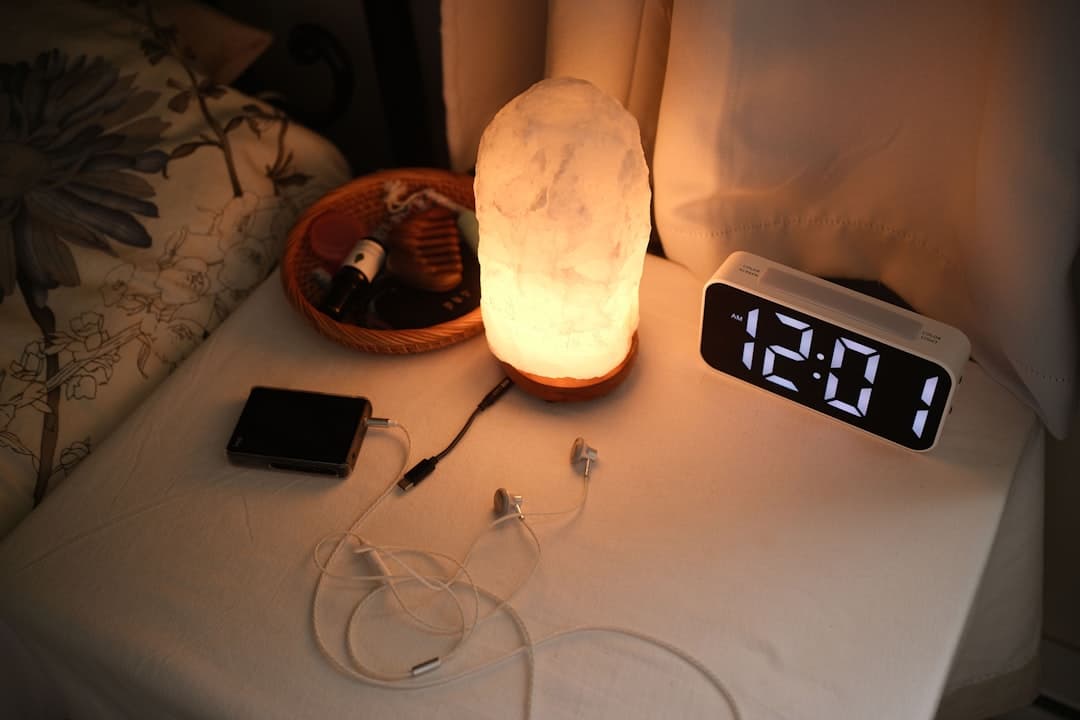
If you've been struggling with sleep quality despite following all the usual advice, you might be missing a crucial piece of the puzzle. The 3-2-1 bedroom method is a simple yet powerful approach to optimizing your sleep environment and pre-sleep routine that's been quietly gaining recognition among sleep specialists and chronobiology researchers.
Unlike complex sleep programs or expensive gadgets, this method focuses on three specific timeframes before bed that can dramatically improve your sleep onset and quality. What makes it particularly appealing is its simplicity - once you understand the science behind it, you can implement it tonight.
In this guide, I'll break down exactly what the 3-2-1 bedroom method is, why it works based on current sleep research, and how to adapt it to your lifestyle - whether you're a busy professional, a parent juggling bedtime routines, or someone who's tried everything else without success.
In This Guide:
- Understanding the 3-2-1 Bedroom Method
- The Science Behind the 3-2-1 Approach
- How to Implement Each Phase of the 3-2-1 Method
- Adapting the 3-2-1 Method for Your Lifestyle
- Overcoming Common Challenges with the 3-2-1 Method
- How to Track Your Progress and Adjust the Method
- Combining the 3-2-1 Method with Other Sleep Strategies
- Special Considerations and Troubleshooting
Understanding the 3-2-1 Bedroom Method
The 3-2-1 bedroom method is a time-based approach to preparing your bedroom and body for optimal sleep. It's built around three specific actions taken at designated times before your intended bedtime:
- 3 hours before bed: Stop eating and create your ideal bedroom environment
- 2 hours before bed: Stop working and begin winding down mentally
- 1 hour before bed: Stop screens and engage in calming pre-sleep activities
This isn't just another arbitrary sleep rule - it's based on how our circadian rhythms naturally function and what research tells us about sleep-promoting behaviors. The method recognizes that quality sleep doesn't begin when your head hits the pillow; it starts hours before with intentional preparation.
What sets the 3-2-1 bedroom method apart from other sleep optimization techniques is its focus on both environmental factors and behavioral timing. While many sleep methods address only one aspect - like bedroom temperature or screen time - this approach creates a comprehensive wind-down sequence that works with your body's natural sleep drive.
How It Differs from Other Sleep Rules
You might have heard of the 10-5-3-2-1 sleep rule, which focuses primarily on substance timing (caffeine, alcohol, etc.). The 3-2-1 bedroom method takes a different approach, emphasizing environmental preparation and behavioral transitions rather than just avoiding stimulants.
This makes it particularly practical for people who don't consume caffeine late in the day but still struggle with sleep onset or quality. It's also more flexible - you can adapt the specific activities within each timeframe based on your lifestyle and preferences.
The Science Behind the 3-2-1 Approach
The effectiveness of the 3-2-1 bedroom method lies in how it aligns with several key physiological processes that prepare your body for sleep. Understanding the science helps you see why the timing isn't arbitrary - it's based on your body's natural rhythms.
Digestion and Sleep Quality
The 3-hour food cutoff isn't about avoiding weight gain - it's about optimizing your body's energy allocation. When you eat close to bedtime, your digestive system remains active, requiring energy and maintaining higher body temperature. Research shows that core body temperature needs to drop by 1-2 degrees Celsius for optimal sleep onset.
Additionally, late eating can interfere with melatonin production. Your digestive system has its own circadian clock, and eating signals 'daytime' to these peripheral clocks, potentially disrupting your central sleep-wake cycle.
Mental Transition and Cortisol Regulation
The 2-hour work stoppage addresses cortisol regulation - your primary stress hormone. Cortisol naturally peaks in the morning and should gradually decline throughout the day, reaching its lowest point at bedtime. Work-related activities, especially those involving problem-solving or decision-making, can spike cortisol levels just when they should be dropping.
This wind-down period also allows your prefrontal cortex - the brain region responsible for executive function and worry - to gradually shift into a less active state. This mental transition is crucial for preventing the 'racing mind' that many people experience when trying to fall asleep.
Blue Light and Melatonin Production
The 1-hour screen cutoff targets your body's melatonin production. Blue light exposure, particularly from devices held close to your face, can suppress melatonin production for up to 3 hours after exposure. By stopping screen use an hour before bed, you give your pineal gland time to ramp up melatonin production naturally.
Try This Tonight
If you must use screens within an hour of bedtime, use blue light blocking glasses or enable night mode on all devices. However, the complete break from screens is more effective for most people.
How to Implement Each Phase of the 3-2-1 Method
3 Hours Before Bed: Food and Environment Preparation
This phase focuses on two key areas: stopping food intake and optimizing your bedroom environment. The food aspect is straightforward, but the environmental preparation is where many people miss opportunities for better sleep.
Food Guidelines: Your last substantial meal should be finished 3 hours before bedtime. Light snacks like a small handful of nuts or a piece of fruit can be okay up to 2 hours before bed, but avoid anything requiring significant digestion.
Environment Preparation: This is when you should start preparing your bedroom. Lower the temperature to 65-68°F (18-20°C), reduce lighting throughout your home, and ensure your bedroom is tidy and inviting. Think of this as creating your sleep sanctuary.
- Set your thermostat or open windows to cool your bedroom
- Dim lights throughout your living space
- Tidy your bedroom and ensure clean sheets
- Set out comfortable sleepwear
- Prepare any items you'll need for your bedtime routine
2 Hours Before Bed: Mental Wind-Down
This phase is about transitioning from 'productive' activities to 'restorative' ones. The goal is to signal to your brain that the day's work is done and it's time to shift gears.
What to Stop: Work-related tasks, intense exercise, difficult conversations, complex problem-solving, bill paying, or anything that requires significant mental energy.
What to Start: Gentle, enjoyable activities that don't require intense focus. This might include light household tasks, gentle stretching, casual reading, listening to music, or spending time with family in a relaxed way.
Try This Tonight
If you're a parent, this 2-hour window often coincides with children's bedtime routines. Use this time to engage in the calming parts of their routine - it helps both of you wind down together.
1 Hour Before Bed: Complete Digital Sunset
This final hour is about creating what sleep researchers call a 'digital sunset' - completely disconnecting from screens and engaging in the most calming pre-sleep activities.
Screen-Free Activities: Reading physical books, gentle yoga or stretching, meditation, journaling, listening to podcasts or audiobooks, taking a warm bath, or practicing gratitude.
The key is choosing activities that are engaging enough to prevent your mind from racing but calm enough not to be stimulating. This is highly individual - some people find reading energizing, while others find it perfectly relaxing.
Adapting the 3-2-1 Method for Your Lifestyle
The beauty of the 3-2-1 bedroom method is its flexibility. While the core timing principles remain important, you can adapt the specific activities and approaches based on your life circumstances, work schedule, and family situation.
For Parents and Families
If you're a parent, your evening routine likely revolves around children's bedtimes. The good news is that many elements of the 3-2-1 method align naturally with creating calm evening routines for the whole family.
During the 3-hour phase, involve children in bedroom preparation - let them help dim lights or choose tomorrow's clothes. The 2-hour phase often coincides with toddler bedtime routines, which naturally involve winding down activities.
For the 1-hour screen-free phase, this can be challenging if you've been using screens to decompress after kids are in bed. Consider this an opportunity to rediscover non-digital relaxation activities like reading, puzzles, or gentle crafts.
For Shift Workers
Shift workers can still benefit from the 3-2-1 method by adapting it to their sleep schedule, regardless of when that occurs. The key is maintaining the same timing relative to your intended sleep time, whether that's 10 PM or 10 AM.
- Use blackout curtains and eye masks to create darkness during your sleep hours
- Maintain the same food timing - no eating 3 hours before sleep
- Create a 'work transition' period even if you're coming home from a night shift
- Use blue light blocking glasses during your commute home if it's during daylight hours
For Small Living Spaces
You don't need a separate bedroom to implement this method effectively. The principles work in studio apartments or shared spaces with some creative adaptations:
- Use a room divider or curtain to create a designated sleep area
- Establish lighting zones - dim the area where you sleep while keeping other areas brighter if needed
- Use headphones for audio entertainment during the screen-free hour
- Create a portable 'bedtime kit' that you can set up in your sleep area each night
Try This Tonight
If you live with others who have different schedules, communicate your sleep preparation needs. Most people are willing to accommodate requests like 'could you text me instead of calling after 9 PM?'
Overcoming Common Challenges with the 3-2-1 Method
Like any lifestyle change, implementing the 3-2-1 bedroom method comes with predictable challenges. Here's how to address the most common obstacles people encounter:
Challenge: Late Work Demands
Many people feel they can't stop working 2 hours before bed due to job demands or deadlines. This is often more about boundaries than actual necessity.
Solutions: Start by tracking when you actually stop working versus when you could stop working. Many people extend work time with less essential tasks. Set a specific 'work cutoff' time and stick to it for one week to see if anything truly urgent arises. You might be surprised how much of your late-evening work is habitual rather than necessary.
Challenge: Social Eating and Late Dinners
Social occasions, family dinners, or cultural eating patterns might conflict with the 3-hour food cutoff.
Solutions: Plan ahead by having a light snack before social events so you're not overly hungry. At restaurants, consider eating smaller portions or boxing half your meal. If late eating is unavoidable, extend your bedtime by an hour to maintain the 3-hour gap, or focus extra attention on the other elements (mental wind-down and screen cutoff).
Challenge: Screen Dependency for Relaxation
Many people have developed a pattern of using screens to decompress, making the 1-hour cutoff feel impossible or anxiety-provoking.
Solutions: Transition gradually by starting with a 30-minute screen cutoff and increasing by 15 minutes each week. Prepare alternative relaxation activities in advance - don't wait until you're tired to figure out what to do instead. Consider audio alternatives like podcasts, audiobooks, or calming music playlists.
Challenge: Partner or Household Member Resistance
Family members might resist changes to evening routines, especially if they affect shared activities like watching TV together.
Solutions: Start by implementing the method just for yourself without requiring others to change. Often, when family members see the positive effects on your sleep and mood, they become more supportive or even interested in trying it themselves. Consider compromising with earlier family screen time or finding non-screen evening activities you can enjoy together.
Try This Tonight
Remember that consistency matters more than perfection. If you can follow the 3-2-1 method 5 out of 7 nights per week, you'll still see significant improvements in your sleep quality.
How to Track Your Progress and Adjust the Method
To determine if the 3-2-1 bedroom method is working for you, it's important to track both subjective and objective measures of your sleep improvement. Changes in sleep quality can be subtle at first, so having concrete ways to measure progress helps maintain motivation.
Key Metrics to Monitor
- Sleep Onset Time: How long it takes you to fall asleep after getting into bed
- Night Wakings: Frequency and duration of middle-of-the-night awakenings
- Morning Energy: How rested you feel upon waking
- Daytime Alertness: Energy levels throughout the day, particularly mid-afternoon
- Mood Stability: Emotional regulation and stress resilience
Keep a simple sleep log for at least two weeks before implementing the method, then continue tracking for 4-6 weeks after starting. This gives you baseline data and allows time for your body to adjust to the new routine.
Signs the Method Is Working
Most people notice initial changes within 3-5 days, with more significant improvements appearing after 2-3 weeks of consistent practice. Positive signs include falling asleep within 15-20 minutes of getting into bed, fewer middle-of-the-night wakings, and feeling more refreshed in the morning even if total sleep time hasn't increased.
You might also notice improved appetite regulation, better mood stability, and increased motivation for healthy habits during the day. These are all signs that your circadian rhythm is becoming more aligned.
When to Adjust the Timing
While 3-2-1 works well for most people, some individuals may need to adjust the timing based on their chronotype (natural sleep-wake preference) or lifestyle factors.
For Natural Early Risers: You might find that a 4-2-1 pattern works better, giving you more time for the food digestion phase.
For Natural Night Owls: A 2-1.5-0.5 pattern might be more realistic while still maintaining the core principles.
The key is maintaining the relative timing and progression from most stimulating (food/work) to least stimulating (screen-free time) as you approach bedtime.
Get the Free Sleep Regression Survival Checklist
A printable checklist to help you track what's working and stay consistent tonight.
Download Free ChecklistCombining the 3-2-1 Method with Other Sleep Strategies
The 3-2-1 bedroom method works well on its own, but it can also be powerfully combined with other evidence-based sleep strategies for even better results. The key is not to overwhelm yourself by trying to implement everything at once.
Complementary Sleep Rules
The 3-2-1 method pairs particularly well with the 10-5-3-2-1 sleep rule, which focuses on substance timing. Together, they create a comprehensive approach to pre-sleep preparation that addresses both behavioral and physiological factors.
You can also incorporate elements of other proven techniques like the 4-7-8 breathing method during your screen-free hour, or progressive muscle relaxation as part of your wind-down routine.
Sleep Hygiene Fundamentals
The environmental preparation phase of the 3-2-1 method naturally incorporates many sleep hygiene principles, but you can enhance it further by paying attention to:
- Consistent wake times (even on weekends)
- Morning light exposure within an hour of waking
- Regular exercise (but not within 3 hours of bedtime)
- Comfortable mattress and pillows
- White noise or earplugs if needed
For Parents: Integrating with Family Sleep Routines
If you're dealing with ongoing child sleep challenges, the 3-2-1 method can provide structure for your own sleep while you work on addressing issues like toddler night wakings or bedtime resistance.
Many parents find that when they prioritize their own sleep preparation, they have more patience and consistency for addressing children's sleep issues. It's not selfish - it's strategic.
Try This Tonight
Start with just the 3-2-1 method for 2-3 weeks before adding other techniques. This helps you isolate what's actually making a difference and prevents sleep optimization from becoming overwhelming.
Special Considerations and Troubleshooting
While the 3-2-1 bedroom method works for most people, certain situations may require modifications or additional considerations. Here's how to adapt the method for specific circumstances:
Anxiety and Racing Thoughts
If anxiety or racing thoughts are your primary sleep challenge, the mental wind-down phase becomes especially important. Consider extending the 'no work' period to 3 hours if possible, and use the extra time for anxiety-reducing activities like journaling, gentle movement, or meditation.
During the screen-free hour, choose activities that engage your mind just enough to prevent rumination but not so much that they're stimulating. Many people find that fiction reading, adult coloring books, or simple puzzles work well.
Medications and Supplements
If you take sleep medications or supplements like melatonin, timing them properly with the 3-2-1 method can enhance effectiveness. Most sleep aids work best when taken 30-60 minutes before desired sleep time, which aligns well with the beginning of your screen-free hour.
However, always consult with your healthcare provider before combining sleep aids with any new sleep routine, especially if you're taking prescription medications.
Chronic Pain or Medical Conditions
Chronic pain, restless leg syndrome, or other medical conditions that interfere with sleep may require modifications to the method. The timing principles still apply, but you might need to adjust activities based on your physical comfort.
For example, if joint pain makes reading uncomfortable, consider audiobooks during your screen-free time. If digestive issues affect the 3-hour food cutoff, work with your healthcare provider to find the optimal eating schedule.
Travel and Schedule Disruptions
When traveling across time zones or dealing with temporary schedule changes, maintain the relative timing of the 3-2-1 method based on your new sleep time rather than trying to stick to your home schedule.
This helps your circadian rhythm adjust more quickly to schedule changes and maintains your sleep quality even when your routine is disrupted.
Try This Tonight
If you can only implement one part of the method during disrupted periods, prioritize the 1-hour screen cutoff. It's the most portable and often has the most immediate impact on sleep quality.
Frequently Asked Questions
Can I still have water during the 3-hour food cutoff?
Yes, staying hydrated is important, but try to taper your fluid intake in the 2 hours before bed to minimize sleep disruptions from bathroom trips. Small sips of water are fine throughout the evening.
What if I work night shifts - can I still use the 3-2-1 method?
Absolutely. Apply the same timing relative to when you plan to sleep, regardless of whether that's during day or night hours. The principles work based on your personal sleep schedule, not the clock time.
Is it okay to read on an e-reader during the screen-free hour?
E-readers with e-ink displays (like older Kindles) are generally okay as they don't emit blue light. However, avoid backlit tablets or phones. When in doubt, choose a physical book during this hour.
How long does it take to see results from the 3-2-1 bedroom method?
Most people notice some improvement within 3-5 days, with more significant changes appearing after 2-3 weeks of consistent practice. Your sleep quality should gradually improve as your body adjusts to the routine.
What if my partner wants to watch TV in bed during my screen-free hour?
Communication is key. Explain the importance of your sleep routine and suggest compromises like using headphones, watching in another room, or finding a show you can both enjoy earlier in the evening before your wind-down period begins.
Can children benefit from a modified 3-2-1 method?
Yes, the principles work well for children too, though timing may need adjustment. For toddlers and young children, consider a 2-1-0.5 pattern: stop eating 2 hours before bed, begin wind-down 1 hour before, and eliminate screens 30 minutes before bedtime.
Better Sleep Starts Tonight
The 3-2-1 bedroom method isn't just another sleep hack - it's a way of honoring your body's natural rhythms and creating the conditions for truly restorative sleep. What I love most about this approach is its simplicity and flexibility. You don't need special equipment, supplements, or a complete lifestyle overhaul. You just need to be intentional about how you spend the three hours before bed. Start tonight with just one element - maybe the screen cutoff or the work stoppage - and build from there. Your future well-rested self will thank you, and you might be surprised how much this simple shift improves not just your sleep, but your entire day.