What is the hardest age to sleep train?
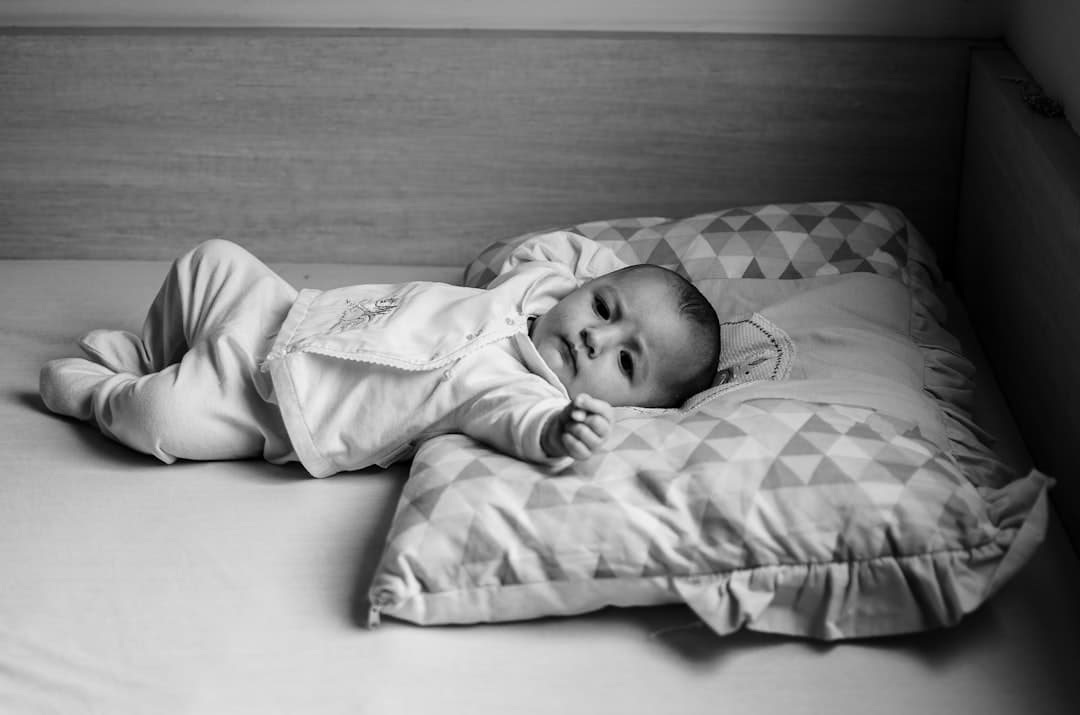
Photo by Flávia Gava on Unsplash
It's 2:47 AM, and you're Googling 'what is the hardest age to sleep train' while your toddler bounces on their bed like it's a trampoline. You started sleep training with such hope, but now you're wondering if you picked the absolute worst time to begin this journey. The truth? Some ages are genuinely more challenging than others — and understanding why can be the difference between success and throwing in the towel.
As a mum who's been through multiple sleep regressions and a certified sleep specialist who's helped thousands of families, I can tell you that timing matters enormously in sleep training. But here's the encouraging news: even the most challenging ages aren't impossible — they just require different strategies and realistic expectations.
In this guide, we'll explore the science behind why certain developmental stages make sleep training more difficult, identify the most challenging ages, and give you practical strategies to succeed no matter when you start.
In This Guide:
- Why Age Makes Such a Difference in Sleep Training Success
- The Most Challenging Ages for Sleep Training
- The Sweet Spot Ages for Sleep Training
- Tailoring Your Sleep Training Approach by Age
- Should You Wait for an 'Easier' Age?
- Common Mistakes That Make Any Age Harder
- Measuring Success at Different Ages
- When to Seek Professional Help
Why Age Makes Such a Difference in Sleep Training Success
Sleep training isn't just about teaching your child to fall asleep independently — it's about working with their developing brain, not against it. What makes certain ages more challenging isn't stubbornness or defiance; it's neurodevelopment.
During specific developmental windows, your child's brain is rapidly forming new neural pathways, processing new skills, and often experiencing what researchers call 'developmental leaps.' These periods of intense growth can temporarily disrupt sleep patterns, making it harder for children to settle into new routines.
The Brain Science Behind Sleep Training Challenges
Research in developmental neuroscience shows us that a child's prefrontal cortex — the area responsible for self-regulation and following routines — doesn't fully mature until their mid-twenties. This means younger children literally have less capacity for the self-soothing and routine-following that sleep training requires.
Additionally, during periods of rapid cognitive or physical development, children's brains can become 'hyperactivated,' making it genuinely harder for them to wind down and fall asleep, regardless of how tired they are.
Try This Tonight
If your child seems to be fighting sleep training more than usual, check if they're hitting any major developmental milestones. Sometimes patience and consistency matter more than perfect technique.
The Most Challenging Ages for Sleep Training
While every child is unique, research and clinical experience consistently point to certain ages as particularly challenging for sleep training. Let's break down the most difficult periods and why they're so tricky.
Ages 15-19 Months: The Perfect Storm
If I had to pick the single hardest age to sleep train, it would be the 15-19 month window. This period combines multiple developmental challenges that can make sleep training feel nearly impossible.
During this time, toddlers are typically experiencing:
- Major language explosion (learning 3-5 new words daily)
- Increased mobility and physical confidence
- First real understanding of cause and effect
- Beginning awareness of separation but without emotional regulation skills
- Transition from two naps to one nap
The combination of cognitive leaps, nap transitions, and emerging autonomy creates what I call the 'toddler trifecta' — three major changes happening simultaneously that can derail even well-established sleep routines.
Ages 2-3 Years: The Autonomy Battles
The period between 2-3 years presents a different but equally challenging set of obstacles. This is when toddlers develop a strong sense of autonomy and the verbal skills to express their preferences — loudly and repeatedly.
What makes this age particularly difficult for sleep training:
- Strong-willed behavior peaks around 2.5-3 years
- Verbal skills allow for more sophisticated bedtime negotiations
- Imagination develops, leading to fears about monsters or darkness
- Testing boundaries becomes a primary way of learning
- Memory improves, so they remember exactly what worked to delay bedtime yesterday
Many parents find that children who were previously good sleepers suddenly become bedtime fighters during this period, leading them to wonder if they need to start sleep training all over again.
The Sweet Spot Ages for Sleep Training
Understanding when sleep training tends to be easier can help you make strategic decisions about timing, especially if you have some flexibility in when you start.
Ages 4-6 Months: The Classic Window
Most sleep specialists recommend starting sleep training between 4-6 months for good reason. During this window, babies have developed enough neurological maturity to sleep for longer stretches but haven't yet hit major developmental leaps that complicate the process.
Advantages of this age range:
- Circadian rhythms are establishing but still flexible
- Babies can sleep 6-8 hour stretches naturally
- Limited mobility means fewer ways to fight the process
- No separation anxiety yet
- Bedtime routines feel comforting rather than constraining
Ages 6-12 Months: Still Manageable
While slightly more challenging than the 4-6 month window, babies between 6-12 months are generally still quite responsive to sleep training efforts.
The main considerations during this period are working around wonder weeks and sleep regressions, particularly the significant 8-9 month regression that coincides with major mobility milestones.
Try This Tonight
If you're starting sleep training during a wonder week or regression, be patient with slower progress. Your consistency will pay off once the developmental leap settles.
Tailoring Your Sleep Training Approach by Age
The key to successful sleep training at any age is adapting your approach to match your child's developmental stage. What works beautifully for a 6-month-old might be completely ineffective (or even counterproductive) for a 2-year-old.
Strategies for Challenging Toddler Ages (15+ months)
When working with toddlers, you need to account for their growing autonomy, language skills, and emotional complexity. Here's how to adapt your approach:
Give Choices Within Structure: Instead of 'Time for bed,' try 'Would you like to brush teeth first or put on pajamas first?' This satisfies their need for control while keeping you on track.
Use Visual Cues: Bedtime routine charts, sleep clocks, or even simple picture schedules help toddlers understand and anticipate what comes next, reducing resistance.
Address Fears Directly: Don't dismiss fears about monsters or darkness. Acknowledge them and provide comfort items or solutions like nightlights or 'monster spray.'
Expect Regression: Toddler sleep training often involves two steps forward, one step back. This is normal and doesn't mean your approach isn't working.
The DREAM Method for Difficult Ages
My DREAM Method becomes especially valuable during challenging developmental periods:
- Decode: Look beyond the sleep resistance to identify developmental triggers
- Reset: Adjust expectations and timeline based on your child's current stage
- Emotionally Connect: Provide extra comfort and validation during tough transitions
- Adapt: Modify your approach as your child's needs change
- Master: Celebrate small wins and maintain consistency through setbacks
Want the Complete Step-by-Step Plan?
Our guides give you the full DREAM Method with scripts, schedules, and troubleshooting for every scenario.
See the GuidesShould You Wait for an 'Easier' Age?
One of the most common questions I receive is whether parents should postpone sleep training if their child is currently in a challenging developmental phase. The answer isn't straightforward and depends on several factors.
When to Push Through vs. When to Wait
Push through if: Your family's sleep deprivation is affecting health, safety, or relationships. Sometimes the 'perfect' time never comes, and you need to start where you are.
Consider waiting if: You're in the middle of a major life change (new baby, moving house, starting daycare) or your child is showing signs of significant developmental leaps that will likely settle within 2-3 weeks.
Remember that even during challenging ages, some progress is better than no progress. You might not achieve perfect independent sleep immediately, but you can often establish better boundaries and routines that make everyone's nights more manageable.
Working with Regressions and Wonder Weeks
Sleep regressions are temporary disruptions in sleep patterns that typically coincide with developmental leaps. While they can make sleep training more challenging, they don't make it impossible.
During regressions, focus on maintaining consistency rather than expecting rapid progress. Your child's sleep patterns may temporarily worsen, but maintaining your routines and boundaries will help them settle more quickly once the regression passes.
Try This Tonight
Track your child's developmental milestones alongside their sleep patterns. Understanding what's happening in their brain can help you stay patient and consistent during difficult phases.
Common Mistakes That Make Any Age Harder
Regardless of your child's age, certain mistakes can make sleep training unnecessarily difficult. Avoiding these common pitfalls can improve your chances of success at any stage.
Inconsistency Across Caregivers
One of the biggest obstacles to successful sleep training is when different caregivers use different approaches. If mum uses gentle methods while dad uses cry-it-out, or if grandparents undermine the routine on weekends, progress will be much slower.
Make sure everyone involved in your child's care understands and commits to the same approach, at least during the initial training period.
Giving Up Too Early
Sleep training during challenging ages often requires more time and patience. Many parents abandon their efforts after a few difficult nights, not realizing that progress might have been just around the corner.
For toddlers especially, expect the process to take 2-4 weeks rather than the 3-7 days often cited for younger babies.
Ignoring Environmental Factors
Room temperature, lighting, noise levels, and comfort items become increasingly important as children get older and more aware of their environment. A 2-year-old might refuse to sleep simply because their room feels 'scary' without their favorite nightlight.
- Ensure room temperature is between 68-70°F
- Use blackout curtains but consider a small nightlight for toddlers
- Address noise issues with white noise or sound machines
- Allow comfort items that help with emotional regulation
Measuring Success at Different Ages
Success in sleep training looks different at different ages, and adjusting your expectations is crucial for maintaining motivation during challenging periods.
Success Metrics for Babies (4-12 months)
- Falling asleep independently within 15-20 minutes
- Sleeping through the night (6+ hour stretches) within 1-2 weeks
- Reduced night wakings that don't require intervention
- Consistent nap schedule
Success Metrics for Toddlers (12+ months)
For toddlers, especially during challenging developmental phases, success markers need to be more flexible:
- Staying in their room/bed even if not sleeping immediately
- Reduced bedtime battles and negotiation time
- Fewer middle-of-the-night visits to parents' room
- Improved mood and behavior during the day (indicating better rest)
Remember that during particularly challenging ages, maintaining the status quo rather than regression can be considered a win. Focus on building positive sleep associations and maintaining boundaries, even if perfect independent sleep takes longer to achieve.
Get the Free Sleep Regression Survival Checklist
A printable checklist to help you track what's working and stay consistent tonight.
Download Free ChecklistWhen to Seek Professional Help
Some situations warrant professional guidance, especially when dealing with challenging ages or complex sleep issues. Knowing when to reach out for support can save months of frustration.
Red Flags That Suggest Professional Support
- Sleep training has been attempted multiple times without success
- Your child shows signs of sleep anxiety or trauma responses
- Family relationships are significantly strained by sleep issues
- Your child has underlying medical conditions affecting sleep
- You're dealing with multiple children with different sleep needs
A qualified sleep specialist can help you develop an age-appropriate plan that accounts for your child's specific developmental stage, temperament, and family circumstances.
They can also help you navigate complex situations like sleep regressions, developmental leaps, or transitions between sleep spaces that commonly arise during challenging ages.
Frequently Asked Questions
Is 18 months the worst age for sleep training?
The 18-month mark is indeed one of the most challenging periods for sleep training. Toddlers at this age are experiencing rapid language development, increased mobility, and often transitioning from two naps to one. However, with patience and age-appropriate strategies, sleep training is still possible.
Should I wait until after the 2-year sleep regression to start sleep training?
Not necessarily. While the 2-year regression can make sleep training more challenging, waiting indefinitely for a 'perfect' time often means never starting. If your family's sleep deprivation is affecting daily life, it's better to start with realistic expectations rather than wait.
Can you sleep train a 3-year-old successfully?
Yes, but the approach needs to be different from infant sleep training. Three-year-olds respond better to collaborative approaches, visual schedules, choices within structure, and clear boundary-setting rather than traditional extinction methods.
How long does sleep training take during challenging ages?
Sleep training during difficult developmental periods typically takes 2-4 weeks rather than the 3-7 days often cited for younger babies. Progress may be slower and include temporary setbacks, but consistency usually pays off.
What's the latest age you can start sleep training?
There's no upper age limit for sleep training, though the methods evolve significantly. Even school-age children can learn better sleep habits, though the focus shifts to sleep hygiene, routine consistency, and addressing anxiety rather than traditional sleep training techniques.
Do some children never respond to sleep training?
While most children can learn independent sleep skills, some may need modified approaches based on temperament, developmental differences, or underlying medical conditions. If traditional methods aren't working, consider consulting a pediatric sleep specialist for personalized strategies.
Every Age Is Trainable — You Just Need the Right Approach
Here's what I want you to remember as you close your laptop tonight: there is no 'impossible' age for sleep training, only ages that require different strategies and more patience. Yes, some developmental windows are more challenging than others, but thousands of families have successfully navigated sleep training during even the trickiest phases. Your child's current age isn't a barrier — it's simply information that helps you choose the right approach. Trust your instincts, stay consistent, and remember that better sleep is possible at any age. You've got this, and I'm here to help you every step of the way.