When Does Sleep Regression Happen
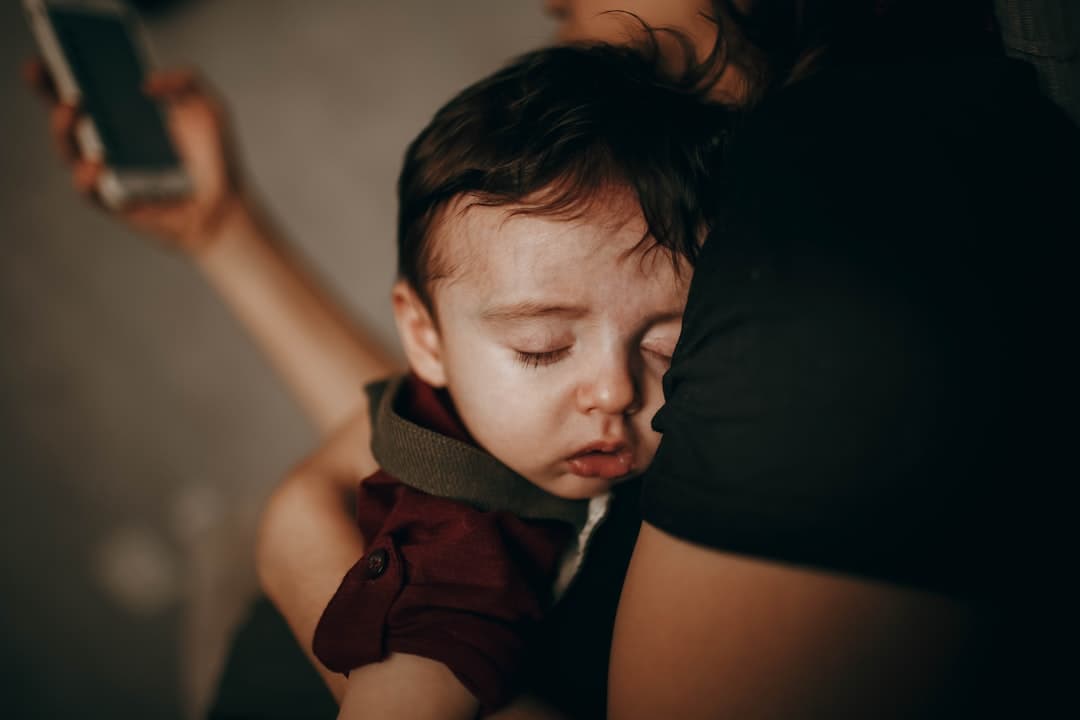
Photo by Helena Lopes on Unsplash
It's 2 AM and you're staring at the ceiling, wondering when does sleep regression happen and whether this nightmare will ever end. Your previously good sleeper is suddenly fighting bedtime, waking multiple times a night, or refusing naps entirely. You're not imagining it — and you're definitely not alone.
Sleep regressions are incredibly predictable developmental phases that affect nearly every child. They happen at specific ages when your little one's brain is making massive developmental leaps. The good news? Knowing when they're coming means you can prepare, respond appropriately, and help your child (and yourself) get through them faster.
This guide will walk you through exactly when sleep regressions happen, what triggers them, and how to recognise the signs so you're never caught completely off guard again.
In This Guide:
- What Actually Triggers Sleep Regression?
- The Complete Sleep Regression Timeline: Birth to Age 3
- How to Recognise When Sleep Regression is Starting
- Individual Variation: Why Not Every Child Follows the Same Pattern
- How to Prepare for Upcoming Sleep Regressions
- Managing Your Expectations: How Long Do Regressions Last?
- How to Respond During Different Types of Regressions
- Using the DREAM Method During Sleep Regressions
What Actually Triggers Sleep Regression?
Before we dive into when sleep regressions happen, it's crucial to understand why they occur. Sleep regressions aren't random disruptions — they're actually signs that your child's brain is developing exactly as it should.
During periods of rapid development, your child's sleep patterns temporarily become disorganised. Their brain is literally rewiring itself, forming new neural pathways and consolidating new skills. This process is so energy-intensive that it disrupts their usual sleep architecture.
The Four Main Triggers
- Cognitive leaps: Learning new skills like rolling, crawling, walking, or talking
- Physical growth spurts: Rapid increases in height and weight that affect sleep needs
- Brain maturation: Changes in sleep cycles and circadian rhythm development
- Emotional development: New awareness of separation, independence, or fear
Understanding these triggers helps explain why sleep regressions cluster around specific ages — they coincide with major developmental milestones that are remarkably consistent across children.
The Complete Sleep Regression Timeline: Birth to Age 3
Here's the comprehensive timeline of when sleep regressions happen. Not every child experiences every regression, but most will encounter at least 3-4 of these phases.
Newborn Period (0-3 months)
3-Month Sleep Regression (8-10 weeks): This is often the first true regression parents notice. Your newborn's sleep cycles are maturing from newborn patterns to more adult-like cycles. They become more aware of their environment and may fight sleep more actively.
Early Infancy (4-8 months)
4-Month Sleep Regression (3.5-5 months): The most significant and permanent sleep change. Your baby's sleep cycles fundamentally reorganise, moving from 2 sleep stages to 4-5 adult-like stages. This creates more opportunities for night wakings and is often when sleep training becomes necessary.
6-Month Sleep Regression (5.5-6.5 months): Often coincides with starting solids, sitting up independently, and increased social awareness. Some babies also begin teething around this time, compounding sleep disruption.
Mobile Baby Phase (8-15 months)
8-10 Month Sleep Regression: Crawling, pulling to stand, and increased mobility create excitement that's hard to switch off at bedtime. Separation anxiety also peaks during this period.
12-Month Sleep Regression: Walking, increased independence, and the transition from 2 naps to 1 create perfect storm conditions. Language development also accelerates rapidly.
15-Month Sleep Regression: Often the most challenging toddler regression, coinciding with the 1-nap transition, increased mobility, and developing autonomy.
Toddler Years (15 months - 3 years)
18-Month Sleep Regression: Language explosion, increased independence, and testing boundaries all contribute. Many toddlers also experience their first fears around this age.
2-Year Sleep Regression: The infamous 'terrible twos' begin with increased defiance, big emotions, and sometimes the transition from crib to bed. Potty training may also begin.
3-Year Sleep Regression: Vivid imagination leads to new fears, nightmares may begin, and some children transition away from napping entirely.
Try This Tonight
Keep a simple sleep log during suspected regression periods. Note bedtime, wake times, and night wakings for 3-5 days to confirm you're dealing with a true regression versus other sleep issues.
How to Recognise When Sleep Regression is Starting
Knowing the signs helps you respond appropriately rather than panicking or making changes too quickly. Here are the key indicators that a sleep regression is beginning:
Sudden Changes in Sleep Patterns
- Previously good sleeper suddenly fighting bedtime
- Increased night wakings after weeks or months of good sleep
- Shortened naps or complete nap refusal
- Earlier morning wake-ups
- Taking much longer to fall asleep
Behavioural Changes
- Increased clinginess during the day
- More emotional or irritable behaviour
- Practicing new skills obsessively (rolling, standing, talking)
- Changes in appetite or eating patterns
- Increased resistance to previously accepted routines
Physical Signs
- More frequent night crying or calling out
- Restless sleep with more movement
- Changes in sleep position preferences
- Seeming overtired despite adequate sleep opportunities
The key distinction between a sleep regression and other sleep issues is that regressions happen suddenly in previously good sleepers and typically coincide with developmental milestones.
Remember: If sleep issues develop gradually or your child has never been a good sleeper, you're likely dealing with sleep habits that need addressing rather than a developmental regression.
Individual Variation: Why Not Every Child Follows the Same Pattern
While the timeline above represents when most children experience sleep regressions, individual variation is completely normal. Some children sail through certain ages while struggling intensely with others.
Factors That Influence Timing
- Developmental pace: Early walkers may experience mobility regressions sooner
- Temperament: Sensitive children often have more intense regressions
- Birth timing: Premature babies follow adjusted age for early regressions
- Environmental factors: Major life changes can trigger or worsen regressions
- Sleep foundation: Children with strong sleep skills recover faster
Some children experience 'mini-regressions' that last only a few days, while others have more prolonged disruptions lasting several weeks. The intensity often correlates with how significant the developmental leap is for that particular child.
When to Be Concerned
Most sleep regressions resolve within 2-6 weeks as your child adjusts to their new developmental stage. However, consult your pediatrician if:
- Sleep disruption lasts longer than 6-8 weeks
- Your child seems unwell or you suspect illness
- There are concerning changes in behaviour or development
- The regression coincides with other worrying symptoms
Try This Tonight
Track which regressions affect your child most intensely. This pattern often repeats, helping you prepare better for future phases.
How to Prepare for Upcoming Sleep Regressions
Once you know when sleep regressions typically happen, you can prepare yourself and your child for smoother transitions through these challenging phases.
Building a Strong Sleep Foundation
Children with solid sleep skills before a regression recover much faster. Focus on these elements during calm periods:
- Consistent bedtime routine that doesn't rely on your presence
- Age-appropriate sleep schedule with adequate but not excessive daytime sleep
- Sleep environment that promotes independent sleep
- Clear, gentle boundaries around sleep expectations
Pre-Regression Preparation
About 2-3 weeks before expected regression ages, start preparing:
- Ensure your child is well-rested going into the regression
- Stock up on patience-supporting resources (backup childcare, meal prep)
- Review your child's current sleep schedule for needed adjustments
- Prepare your partner or support system for potential sleep disruption
- Consider any major changes you want to avoid during the regression window
During the Regression
When the regression hits, remember these key principles:
- Maintain your routine as much as possible while being slightly more flexible
- Provide extra comfort and connection during the day
- Avoid creating new sleep associations you'll need to break later
- Focus on keeping everyone as well-rested as possible
- Remember this phase is temporary and developmentally necessary
Get the Free Sleep Regression Survival Checklist
A printable checklist to help you track what's working and stay consistent tonight.
Download Free ChecklistManaging Your Expectations: How Long Do Regressions Last?
One of the most common questions parents ask is how long each regression typically lasts. While individual variation exists, here are general timelines to help set realistic expectations:
Typical Duration by Age
- 3-month regression: 2-3 weeks as sleep cycles mature
- 4-month regression: 3-6 weeks (permanent change, not temporary)
- 6-month regression: 1-3 weeks, often shorter if solids are well-established
- 8-10 month regression: 2-4 weeks, varies with mobility development pace
- 12-month regression: 3-6 weeks, often coincides with nap transition
- 15-month regression: 2-6 weeks, can be prolonged by nap transition challenges
- 18-month regression: 2-4 weeks, intensity varies with child's temperament
- 2-year regression: 2-6 weeks, often extended by big bed transition or potty training
- 3-year regression: 2-4 weeks, may include temporary return of night fears
Several factors influence how long a regression lasts:
Factors Affecting Duration
- Pre-existing sleep skills: Children with strong independent sleep skills recover faster
- Consistency of response: Maintaining routines speeds recovery
- Developmental complexity: Multiple simultaneous changes extend duration
- Environmental stability: Major life changes can prolong regressions
- Child temperament: Sensitive children often need more time to adjust
Remember: The 4-month regression is unique because it represents a permanent change in sleep architecture, not a temporary disruption. This is why sleep training often becomes necessary around this age.
Try This Tonight
If a regression extends beyond the typical timeframe, evaluate whether you've inadvertently created new sleep associations that need addressing once the developmental phase passes.
How to Respond During Different Types of Regressions
Not all sleep regressions are created equal. Your response strategy should vary depending on what's driving the regression and your child's age and temperament.
Cognitive/Motor Skill Regressions
When regressions are driven by learning new skills (rolling, crawling, walking, talking):
- Provide plenty of practice time during awake hours
- Avoid overstimulating activities close to bedtime
- Maintain consistent response to night wakings
- Allow brief practice time if they wake to 'practice' skills, then redirect to sleep
Separation Anxiety Regressions
When fear or clinginess drives sleep disruption:
- Increase connection time during the day
- Practice short separations during awake hours
- Add comfort items or transition objects if age-appropriate
- Provide extra reassurance while maintaining sleep boundaries
Schedule-Related Regressions
When nap transitions or schedule changes drive regression:
- Adjust schedule gradually rather than abruptly
- Offer earlier bedtime during transition periods
- Be flexible with timing while maintaining routine structure
- Watch for overtiredness and adjust accordingly
Fear-Based Regressions
When imagination and new fears disrupt sleep (typically 2+ years):
- Acknowledge fears without dismissing them
- Create 'monster spray' or other comfort rituals
- Maintain boundaries while providing appropriate reassurance
- Address fears during daytime hours, not just at bedtime
Using the DREAM Method During Sleep Regressions
The DREAM Method provides a structured approach to navigating sleep regressions while maintaining your child's long-term sleep health. Here's how to apply each step during regression periods:
Decode: Understanding What's Really Happening
- Identify which developmental milestones align with the timing
- Track patterns to confirm it's truly a regression, not a schedule issue
- Assess whether multiple factors are contributing (illness, schedule changes, etc.)
- Determine if your child's sleep foundation was solid before the regression
Reset: Adjusting Your Approach Without Creating Problems
- Temporarily adjust expectations without abandoning all boundaries
- Fine-tune schedule if needed (earlier bedtime, adjusted nap timing)
- Modify routine slightly to address specific regression triggers
- Avoid creating new sleep associations you'll need to break later
Emotionally Connect: Supporting Your Child Through the Challenge
- Increase one-on-one connection time during the day
- Provide appropriate comfort for nighttime distress
- Stay calm and patient during difficult nights
- Remember this is hard for your child too — they're not doing it 'to' you
Adapt: Flexibility Within Structure
- Allow slight flexibility in timing while maintaining routine sequence
- Adapt comfort measures to your child's specific regression triggers
- Modify expectations temporarily without lowering standards permanently
- Stay responsive to your child's changing needs throughout the regression
Master: Returning to Strong Sleep Patterns
- Gradually return to pre-regression expectations as development stabilises
- Address any new habits that developed during the regression
- Celebrate your child's developmental progress alongside sleep improvements
- Use lessons learned to prepare for future regressions
Want the Complete Step-by-Step Plan?
Our guides give you the full DREAM Method with scripts, schedules, and troubleshooting for every scenario.
See the GuidesFrequently Asked Questions
Do all children experience sleep regressions at the same ages?
No, while the timeline is remarkably consistent across most children, individual variation is normal. Some children may experience regressions a few weeks earlier or later, and not every child experiences every regression. The intensity and duration also vary significantly between children.
How can I tell the difference between a sleep regression and other sleep problems?
Sleep regressions occur suddenly in previously good sleepers and typically coincide with developmental milestones. They're temporary disruptions rather than gradual deterioration. If your child has never slept well or sleep issues develop slowly, you're likely dealing with sleep habits that need addressing.
Should I sleep train during a regression?
It's generally better to wait until after a regression passes to implement major sleep training changes. However, maintaining existing boundaries and not creating new sleep associations during the regression is important. The 4-month regression is an exception, as it represents permanent changes that often require sleep training to resolve.
Can external factors trigger sleep regressions outside the typical ages?
Yes, major life changes like moving, new baby, starting daycare, or family stress can trigger regression-like sleep disruptions. These aren't true developmental regressions but require similar patient, consistent responses while your child adjusts to the changes.
How long should I wait before seeking help during a regression?
Most regressions resolve within 2-6 weeks. If sleep disruption continues beyond 6-8 weeks, or if you're concerned about your child's health or development, consult your pediatrician. Don't wait if you suspect illness or if the regression is severely impacting your family's wellbeing.
Will my child's sleep ever be predictable again after multiple regressions?
Yes! Children with strong sleep foundations typically return to good sleep patterns between regressions. As children get older and their development stabilises, regressions become less frequent and less intense. Most families see significant improvement in sleep predictability after age 3.
You're Not Failing — You're Raising a Growing Brain
Sleep regressions feel endless when you're in the thick of them, but they're actually beautiful evidence that your child's brain is developing exactly as it should. Every regression represents growth, learning, and progress toward independence. By understanding when they happen and responding with patience and consistency, you're giving your child the gift of secure sleep skills that will serve them for life. Remember: this is temporary, you're doing everything right, and better sleep is coming. Your child is lucky to have a parent who cares enough to understand their development and respond with such thoughtfulness.